

Preserving Qatar’s Visual History: Reconstructing Historical Imagery of His Highness the Father Amir
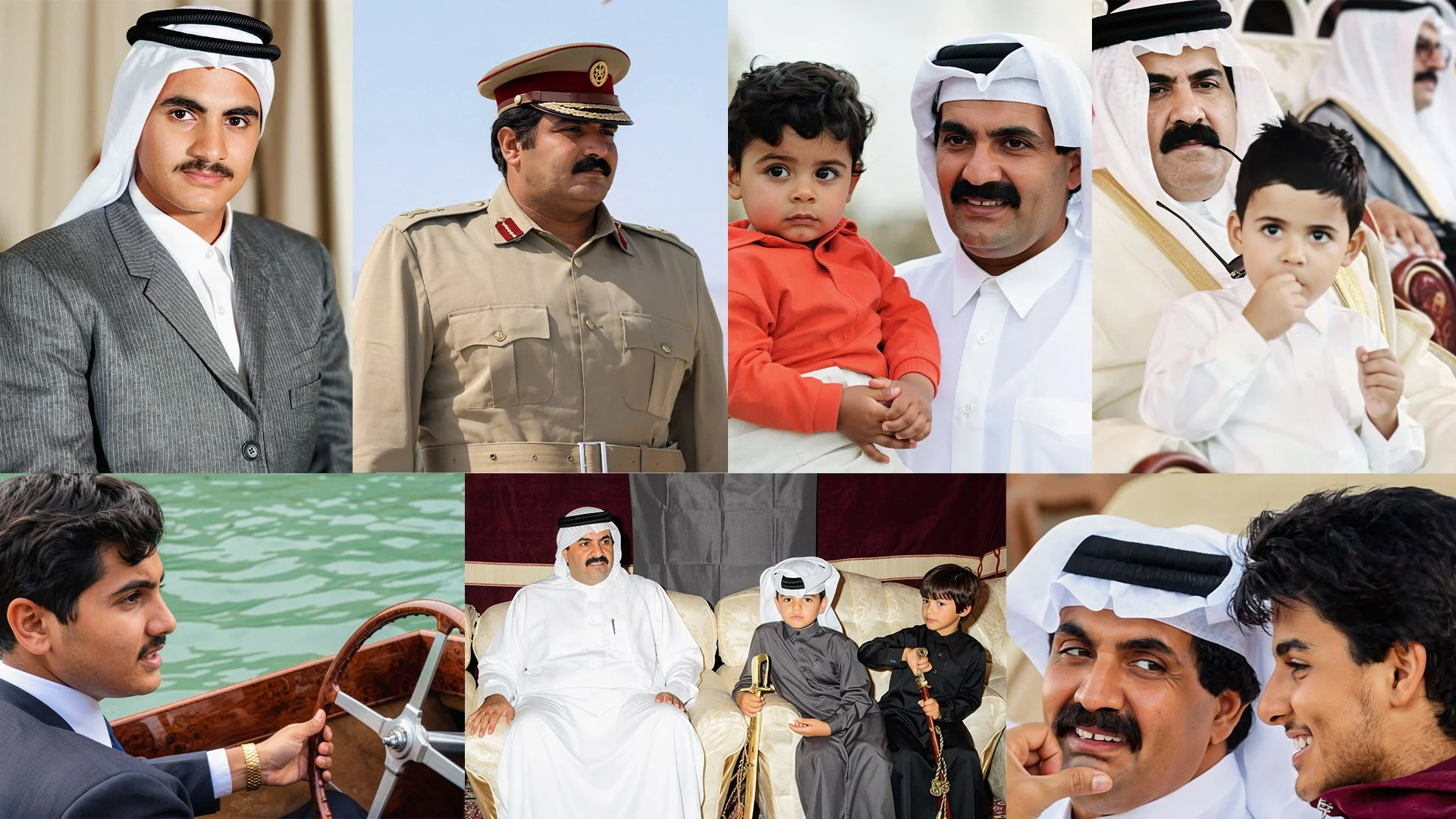
Every photograph tells a story, but historical images carry the collective memory of a nation. In Qatar, archival photographs of His Highness the Father Amir, Sheikh Hamad bin Khalifa Al Thani, capture pivotal moments in the country’s modern journey. However, many of these iconic frames from his young years survive only as low-resolution prints, degraded film scans, or heavily compressed digital files.
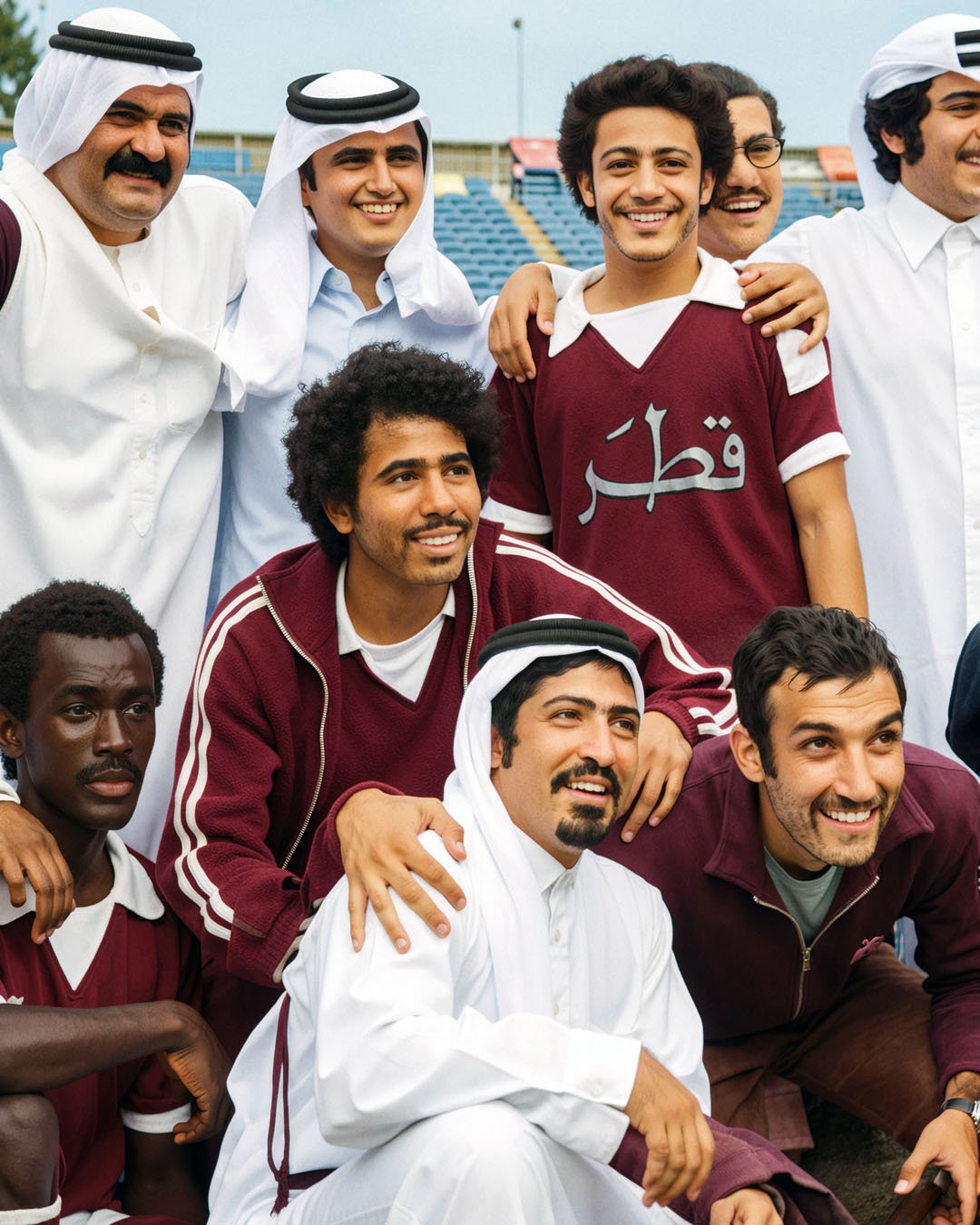
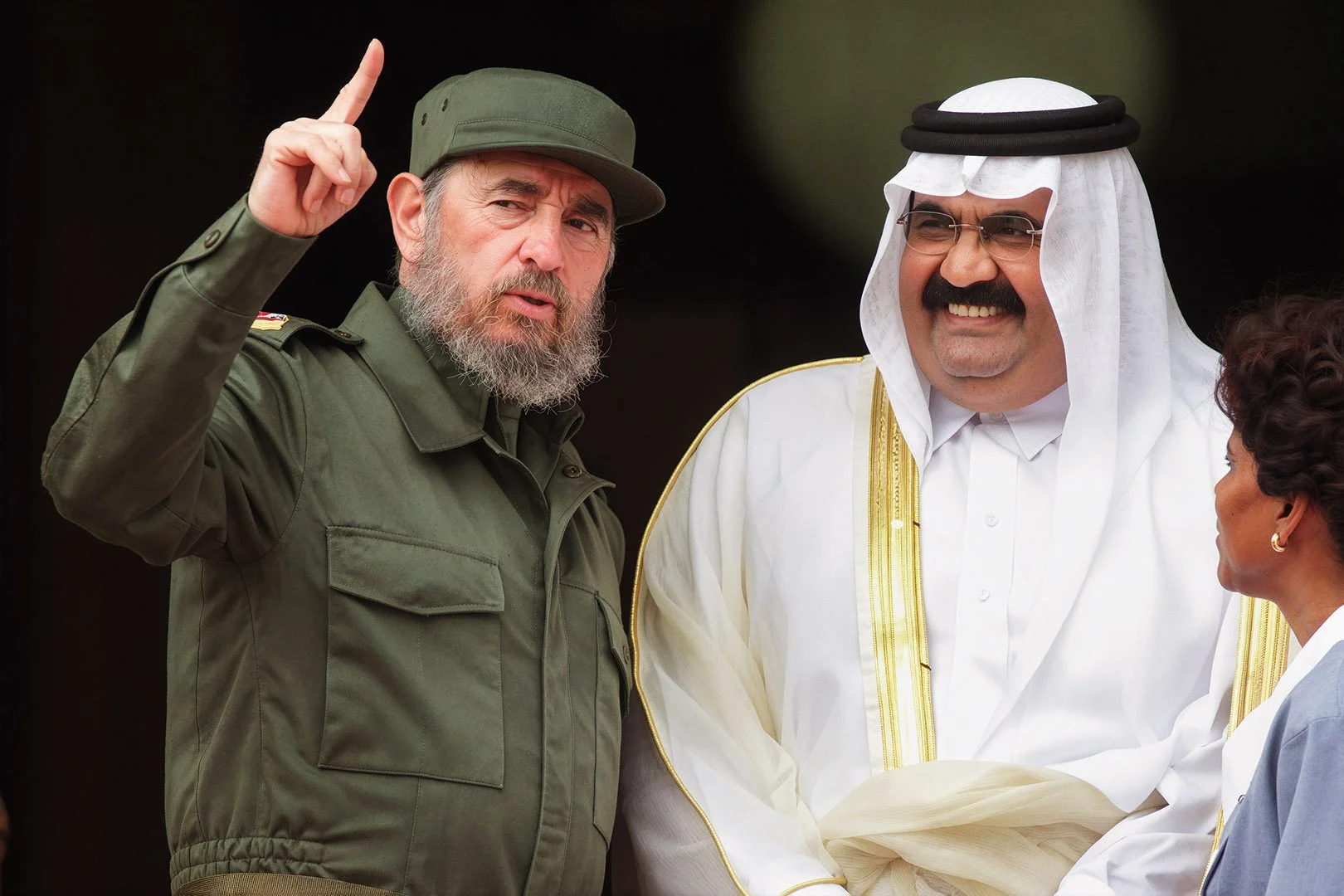
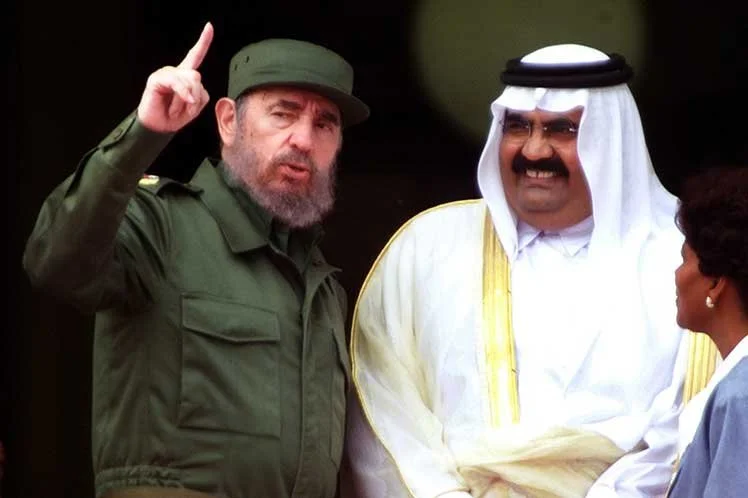
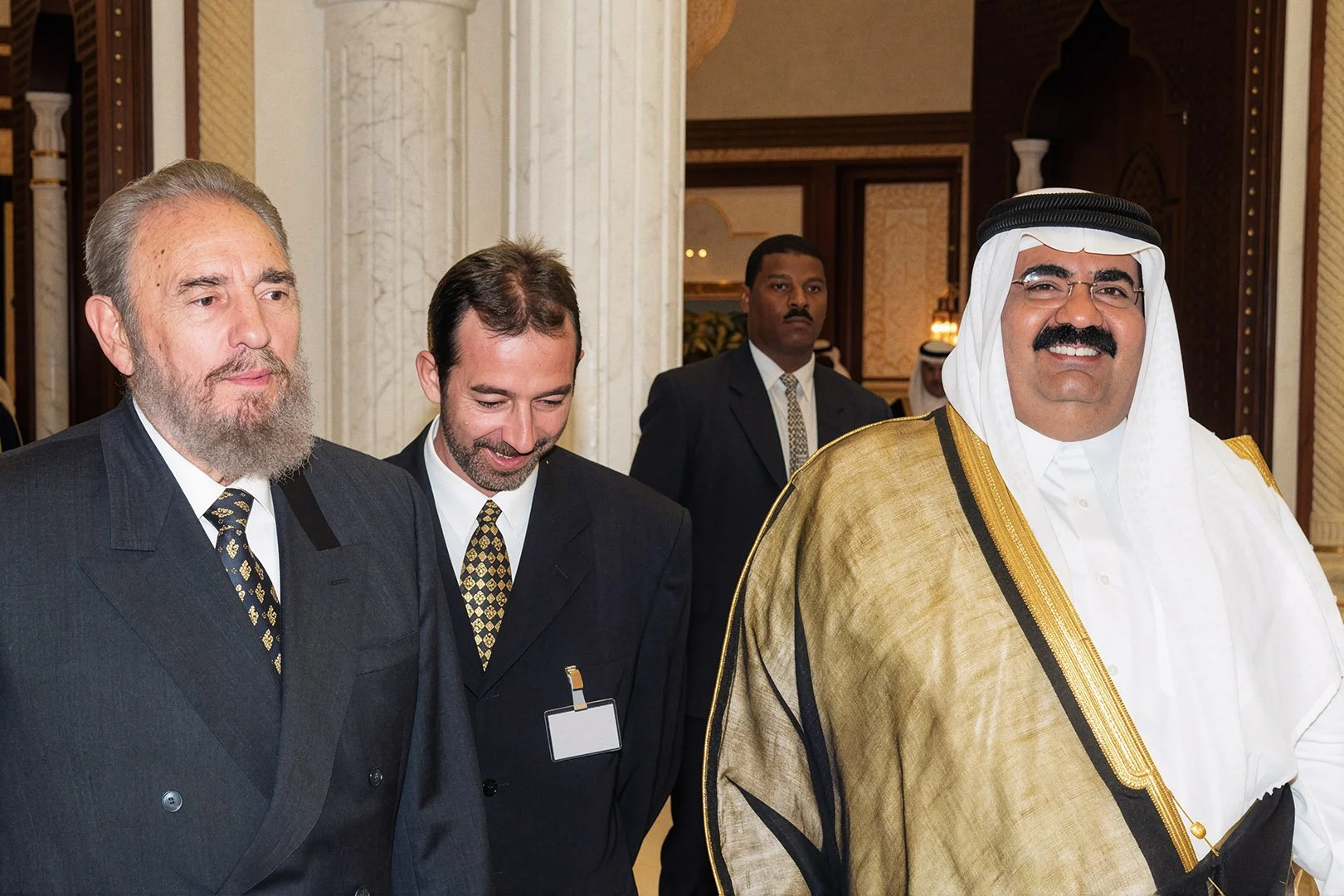
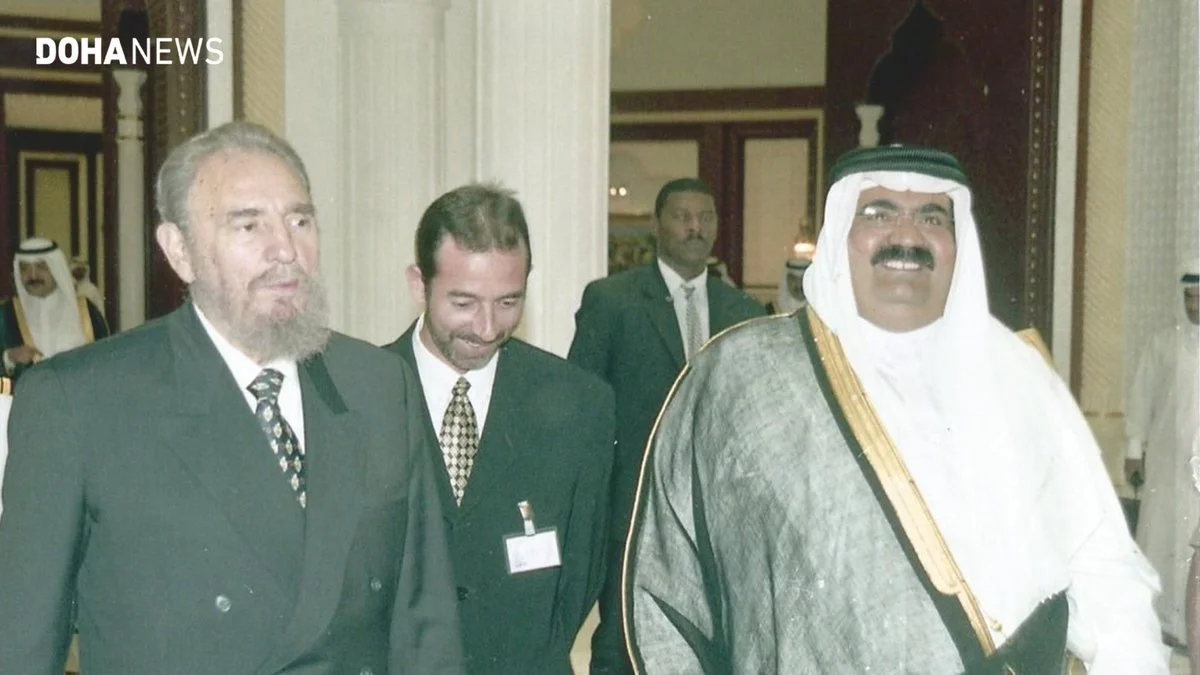
To pay tribute to this legacy, I recently completed a technical digital reconstruction series featuring 16 historical portraits of His Highness. The collection ranges from his youth, military service, and state visits alongside world leaders like Queen Elizabeth II and Fidel Castro, to intimate family moments sitting alongside his son, His Highness Sheikh Tamim bin Hamad Al Thani, the Amir of Qatar.
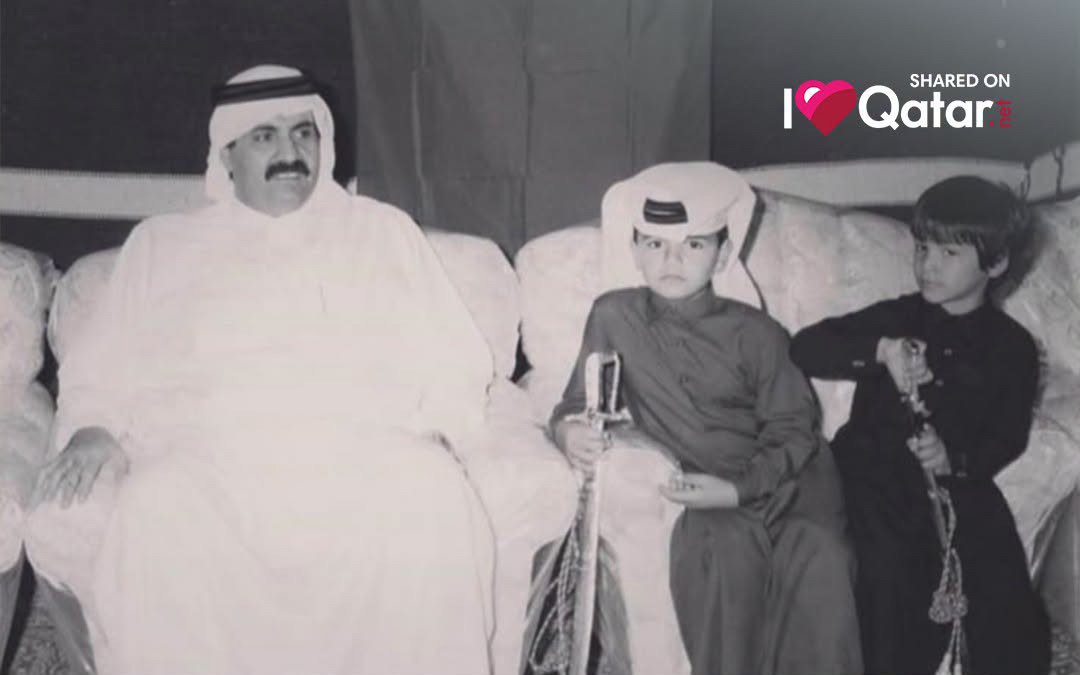
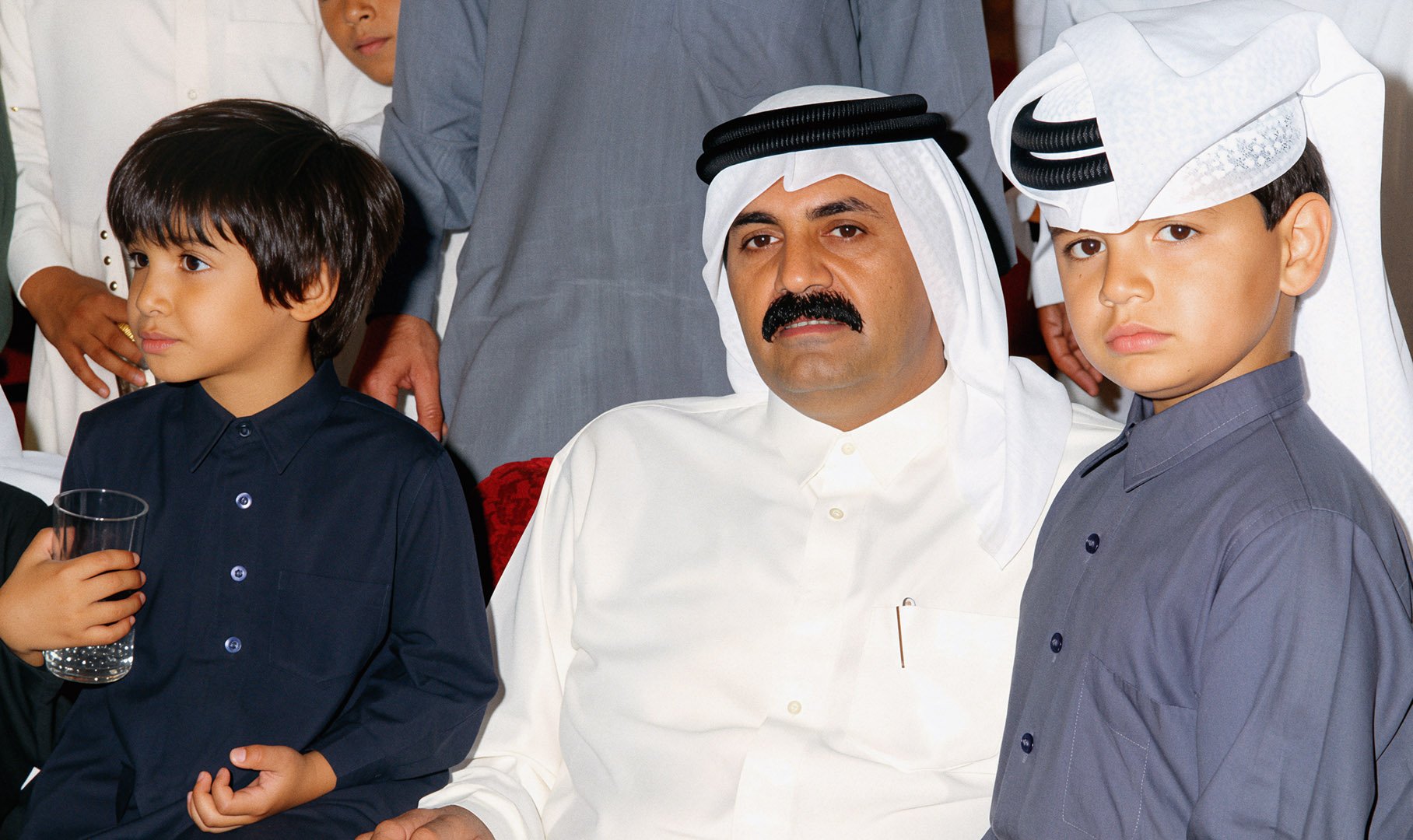
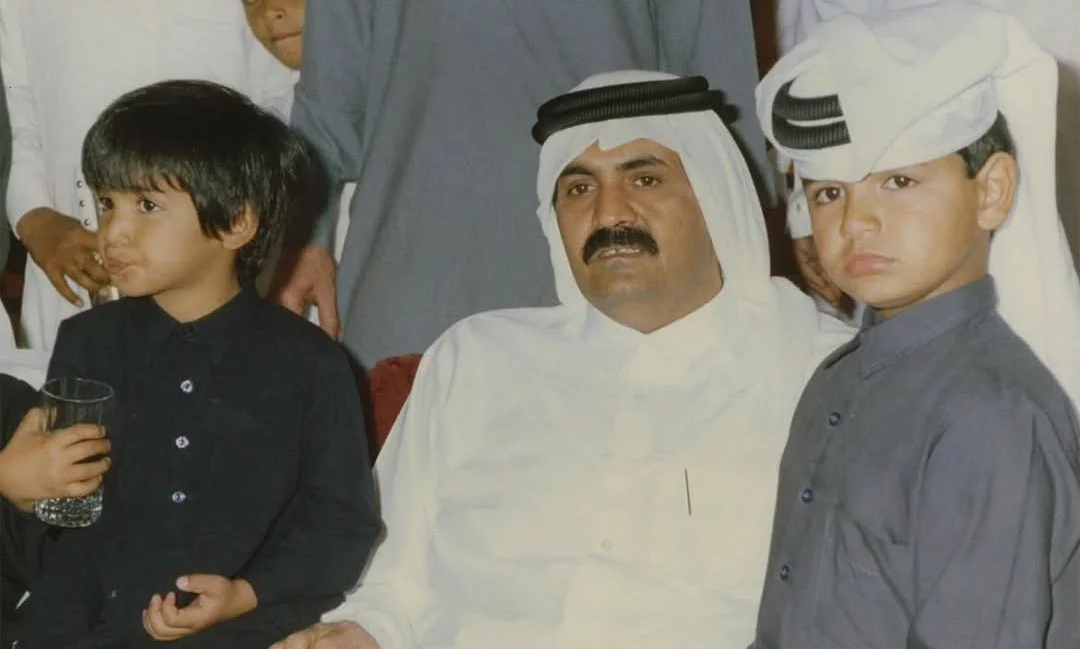
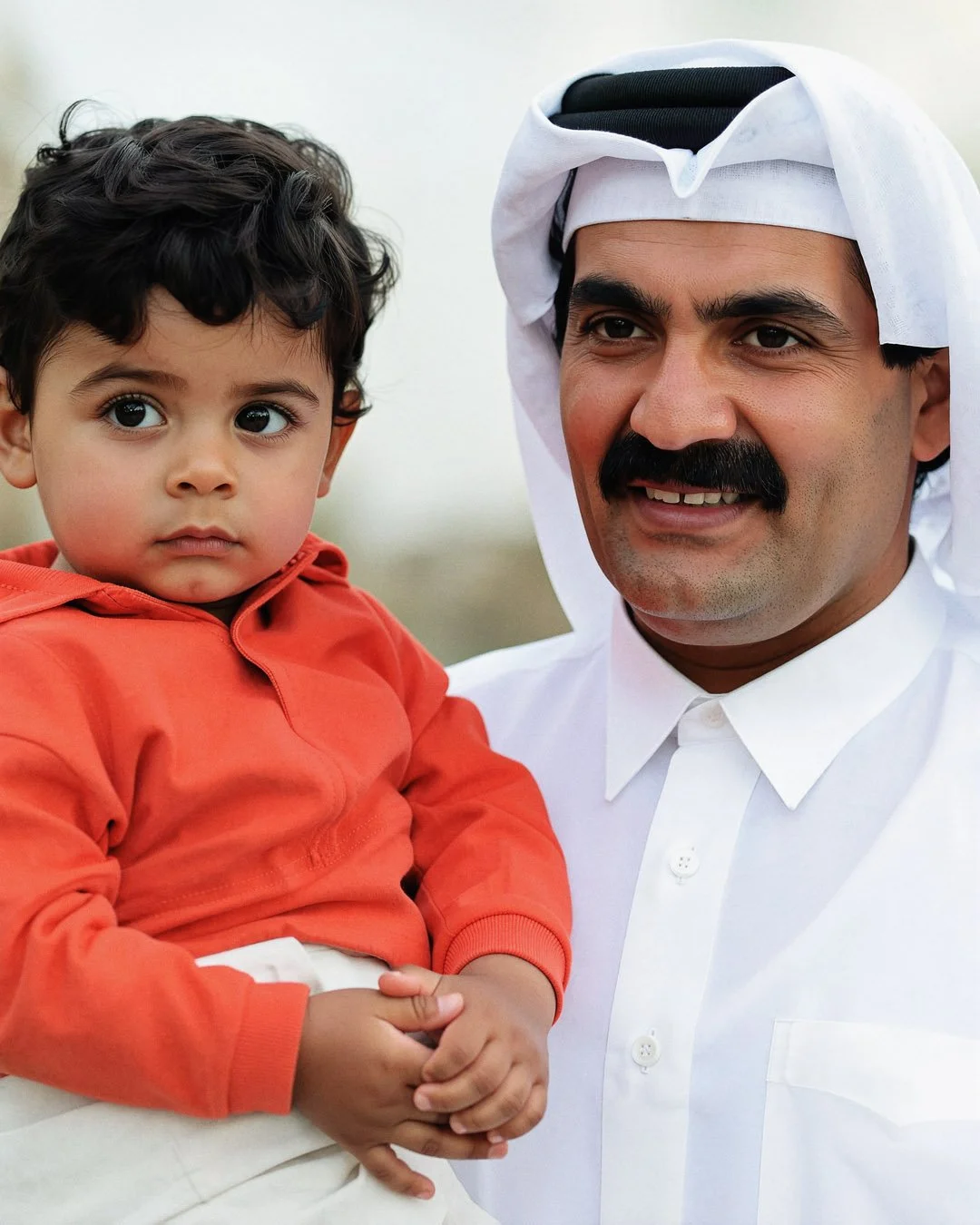
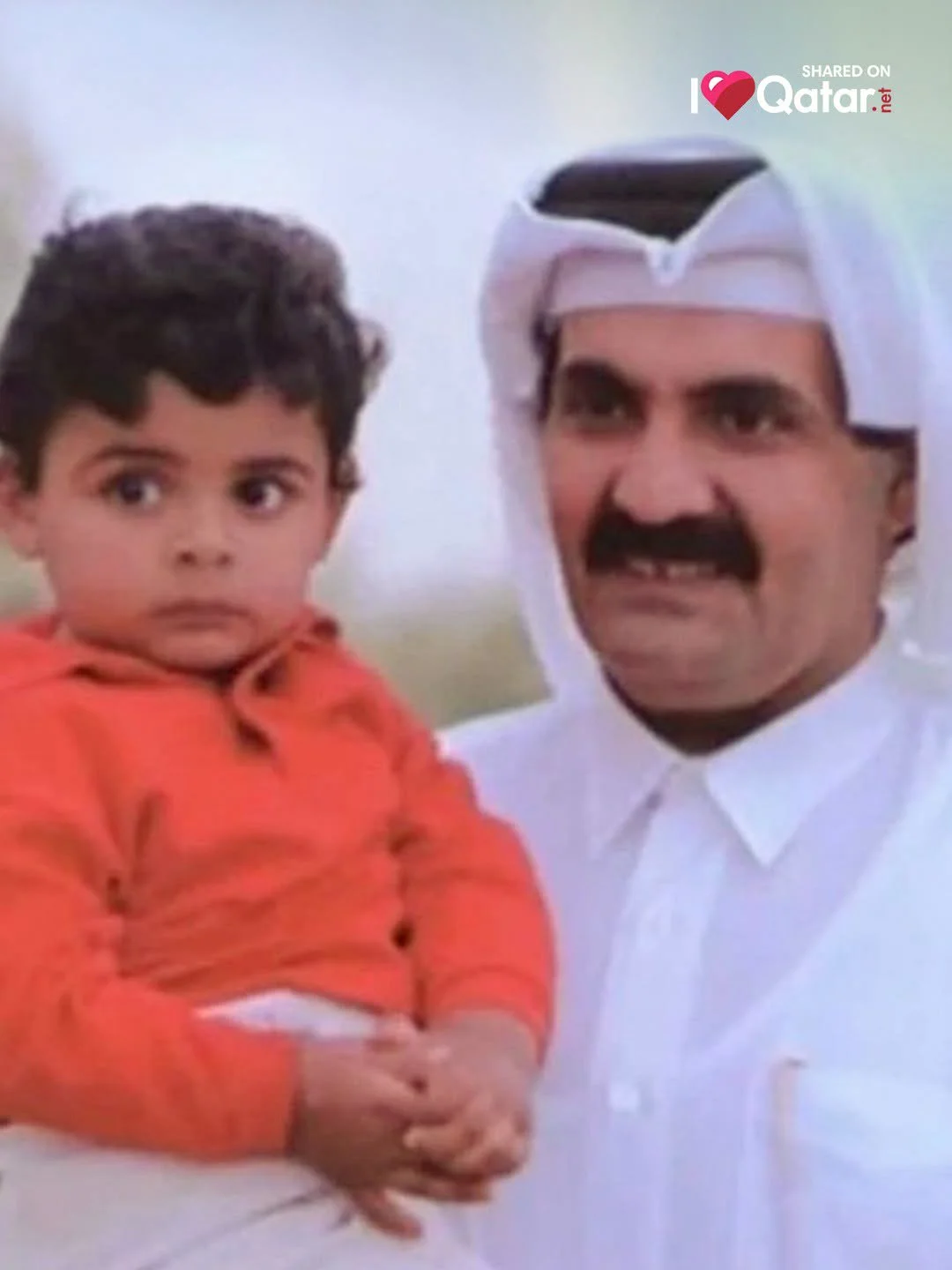
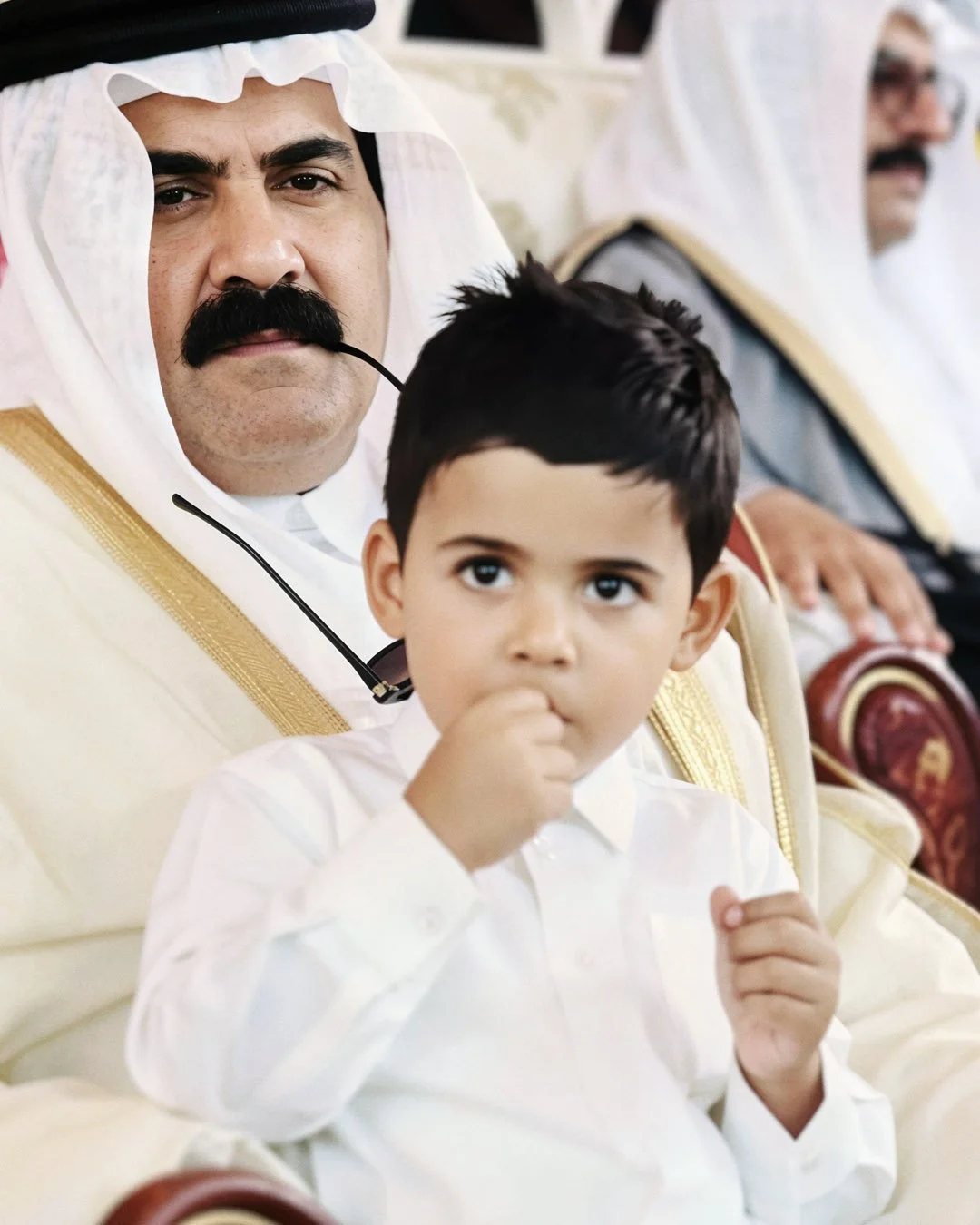
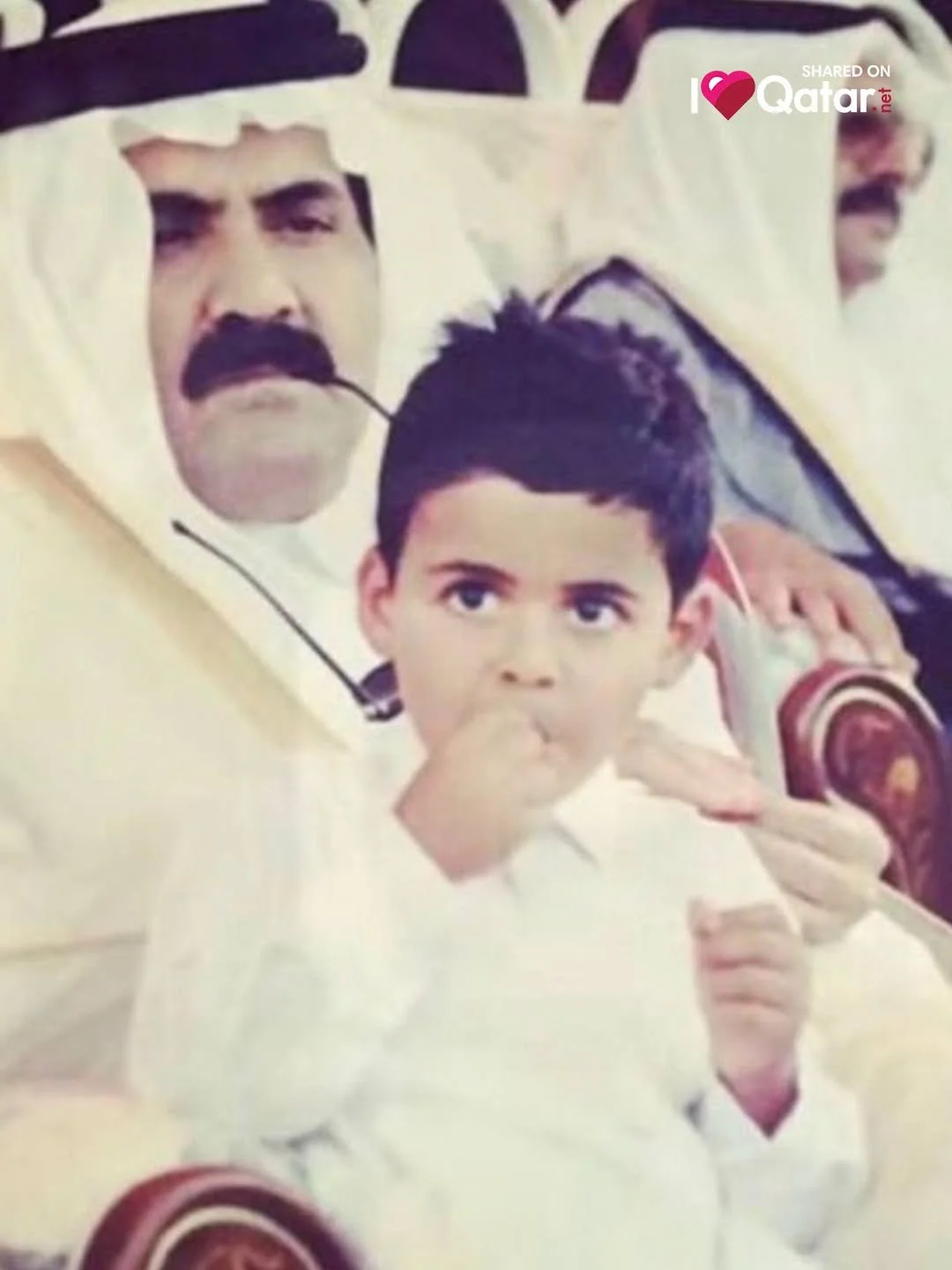
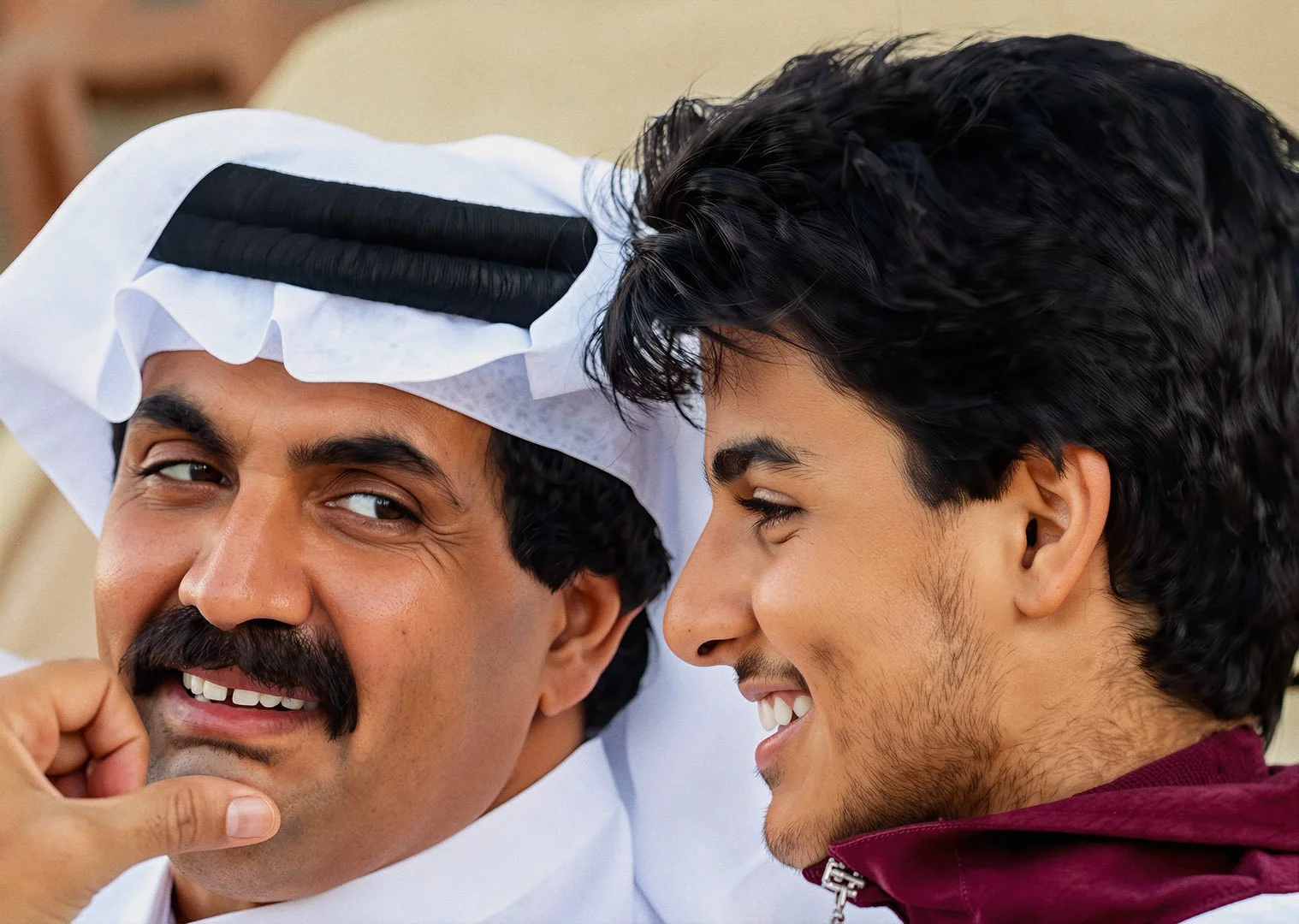
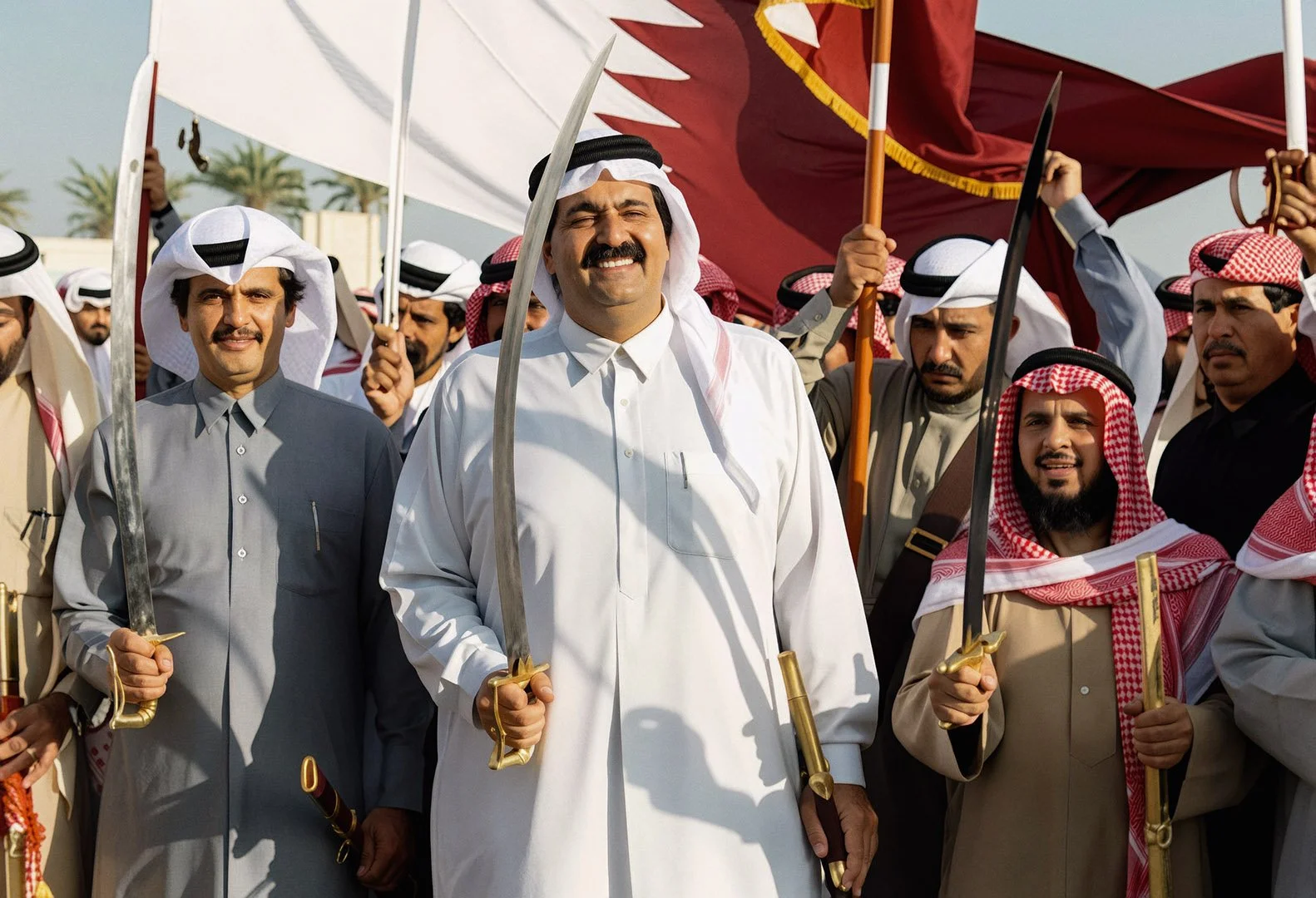
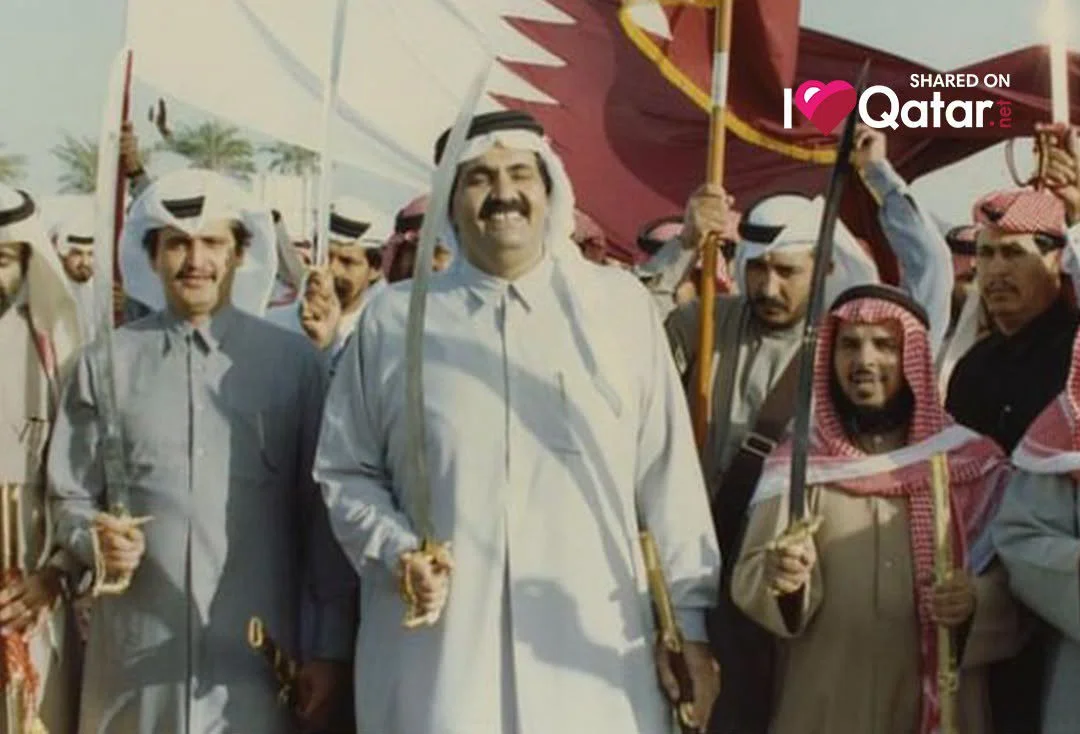
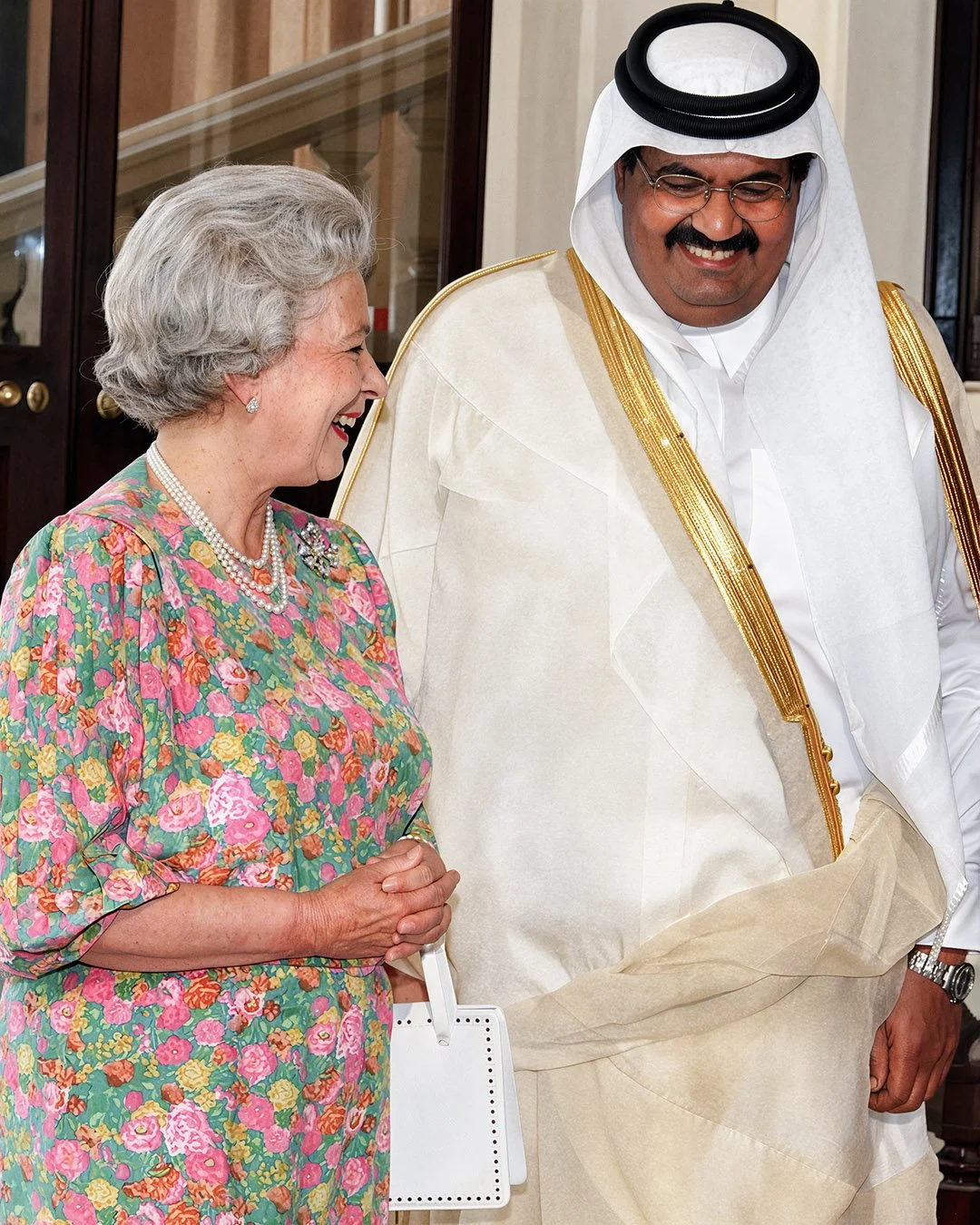
Beyond One-Click Filters: The Art of Generative Reconstruction
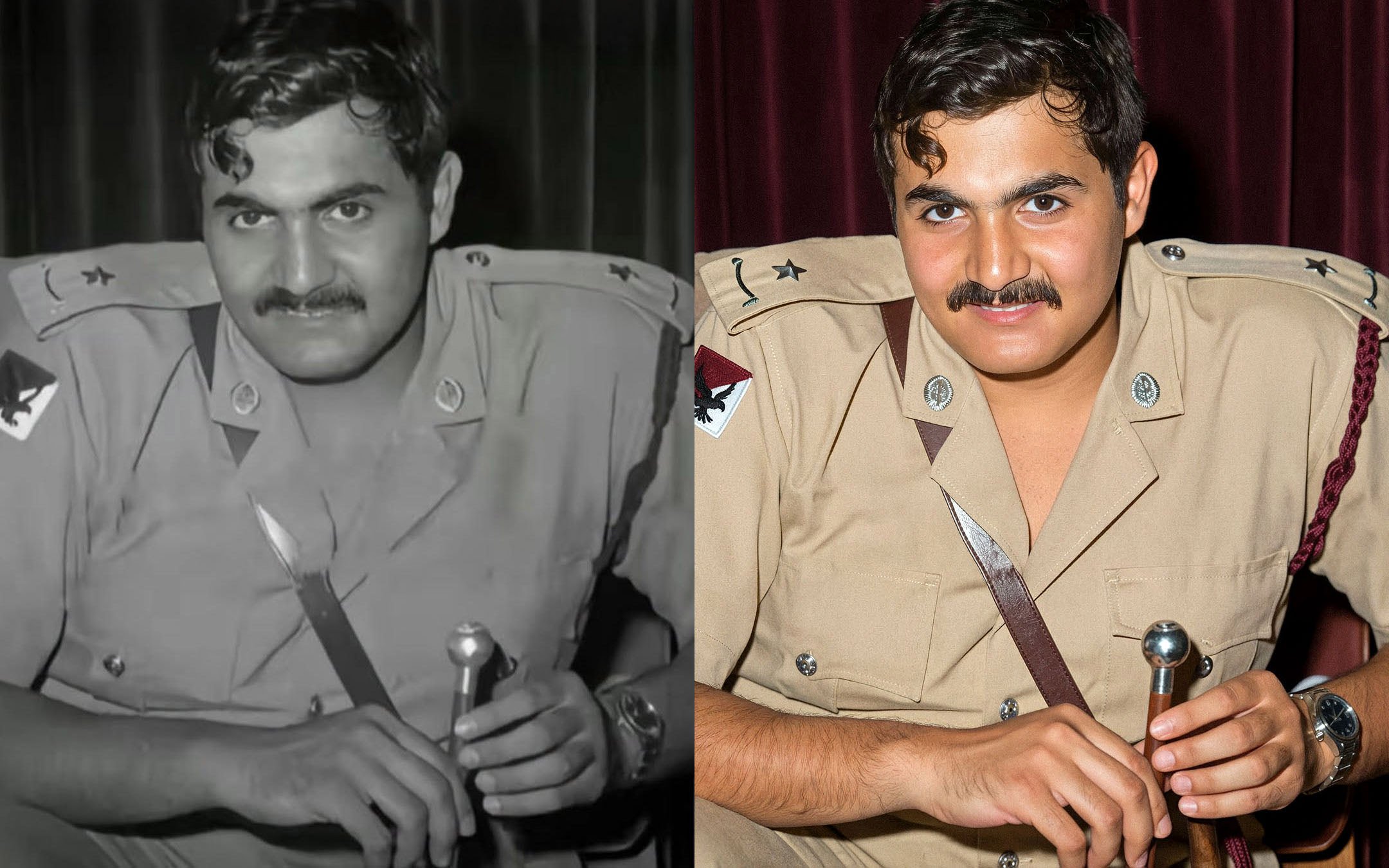
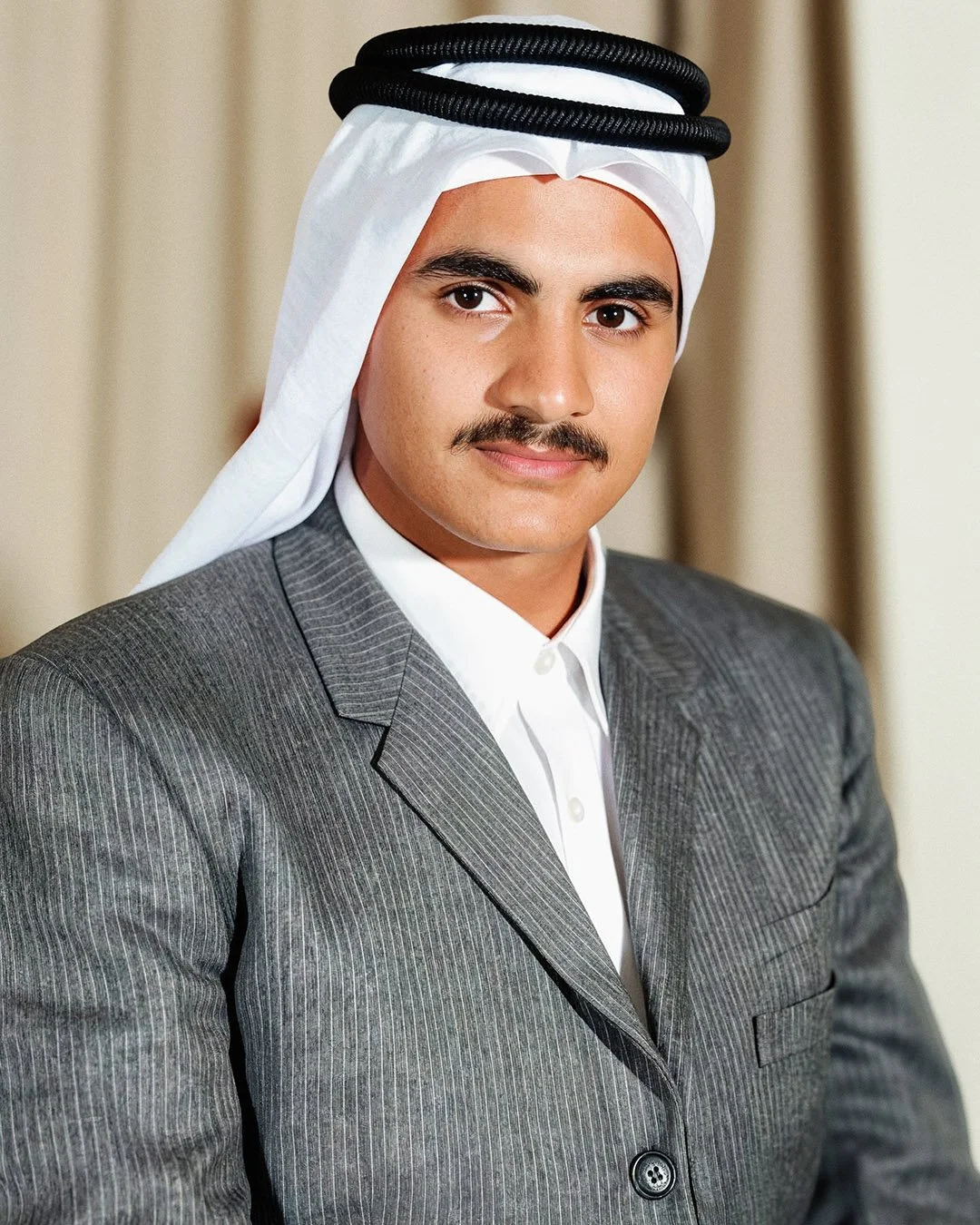
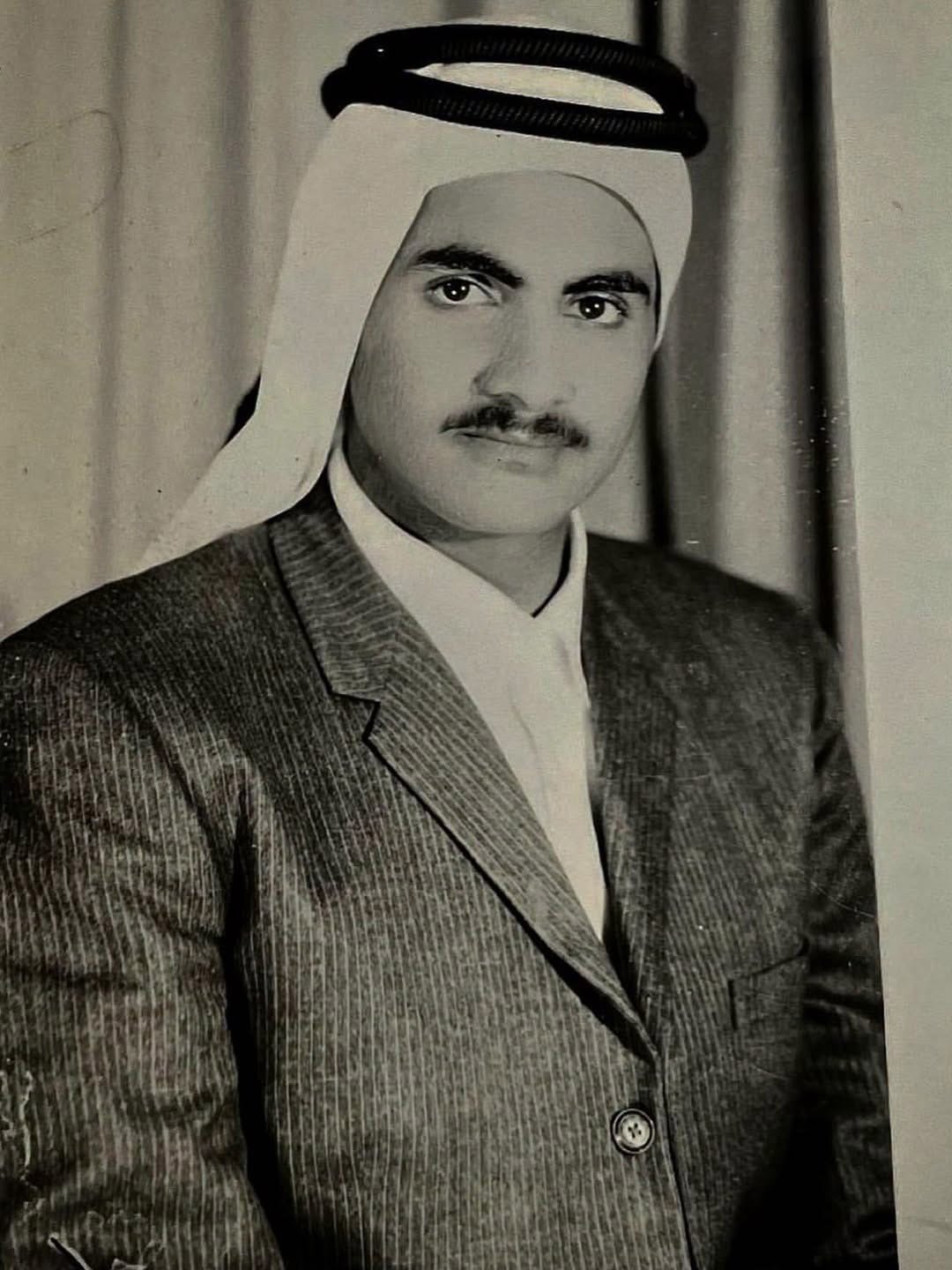
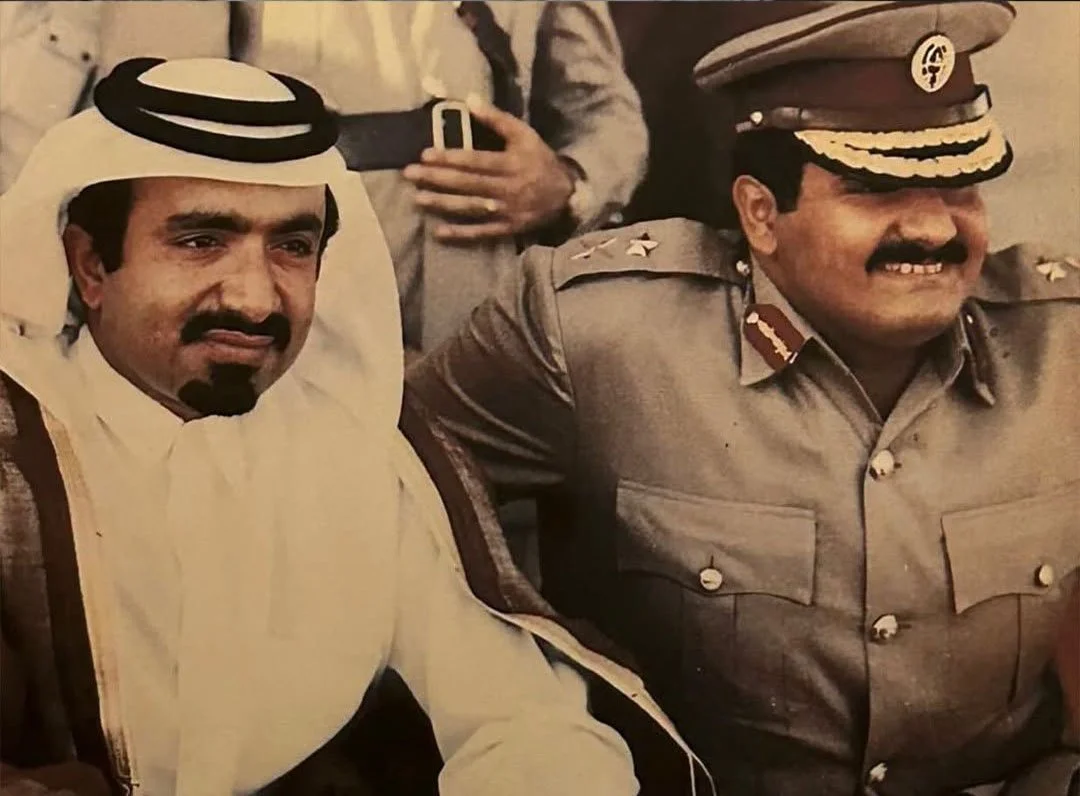
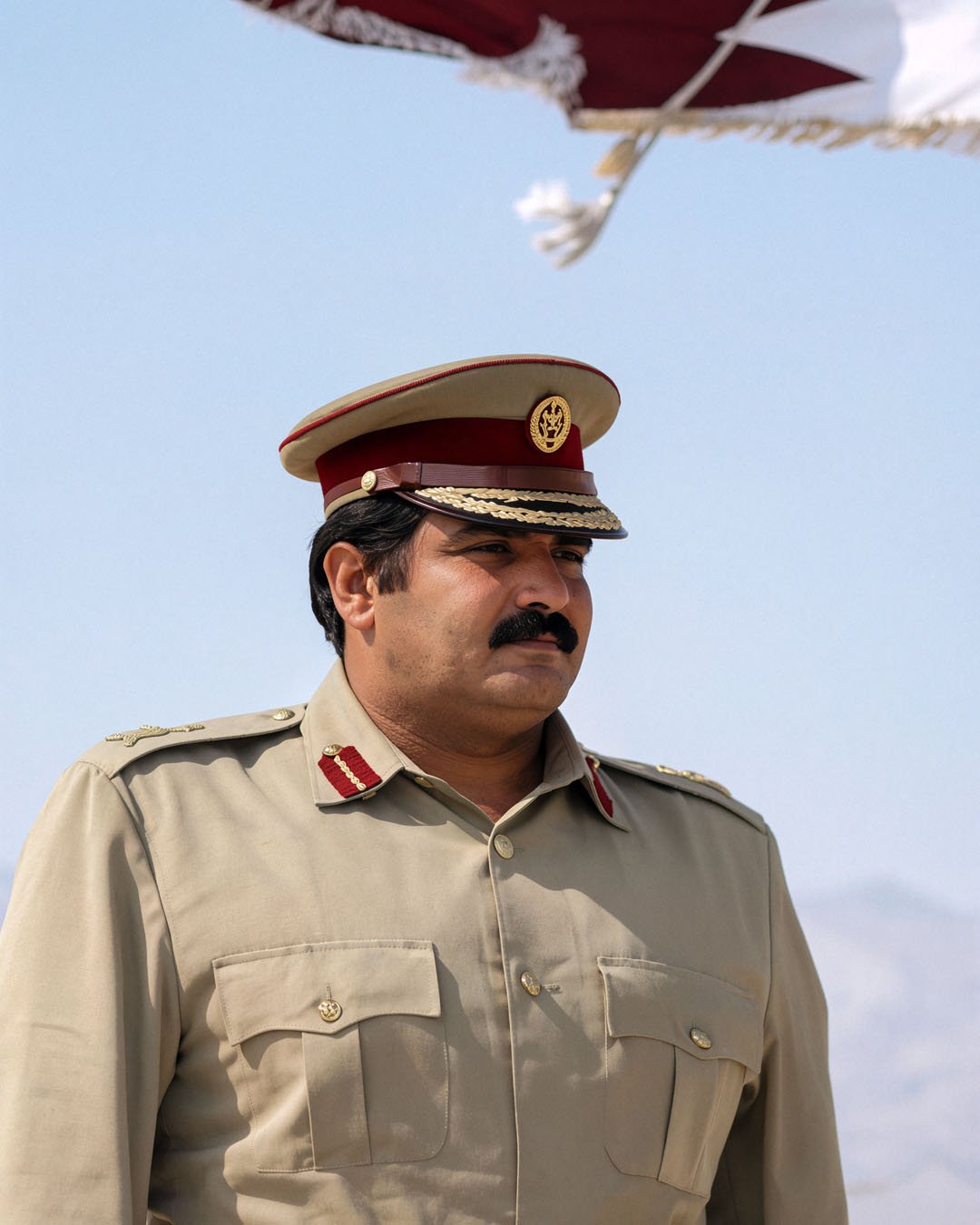
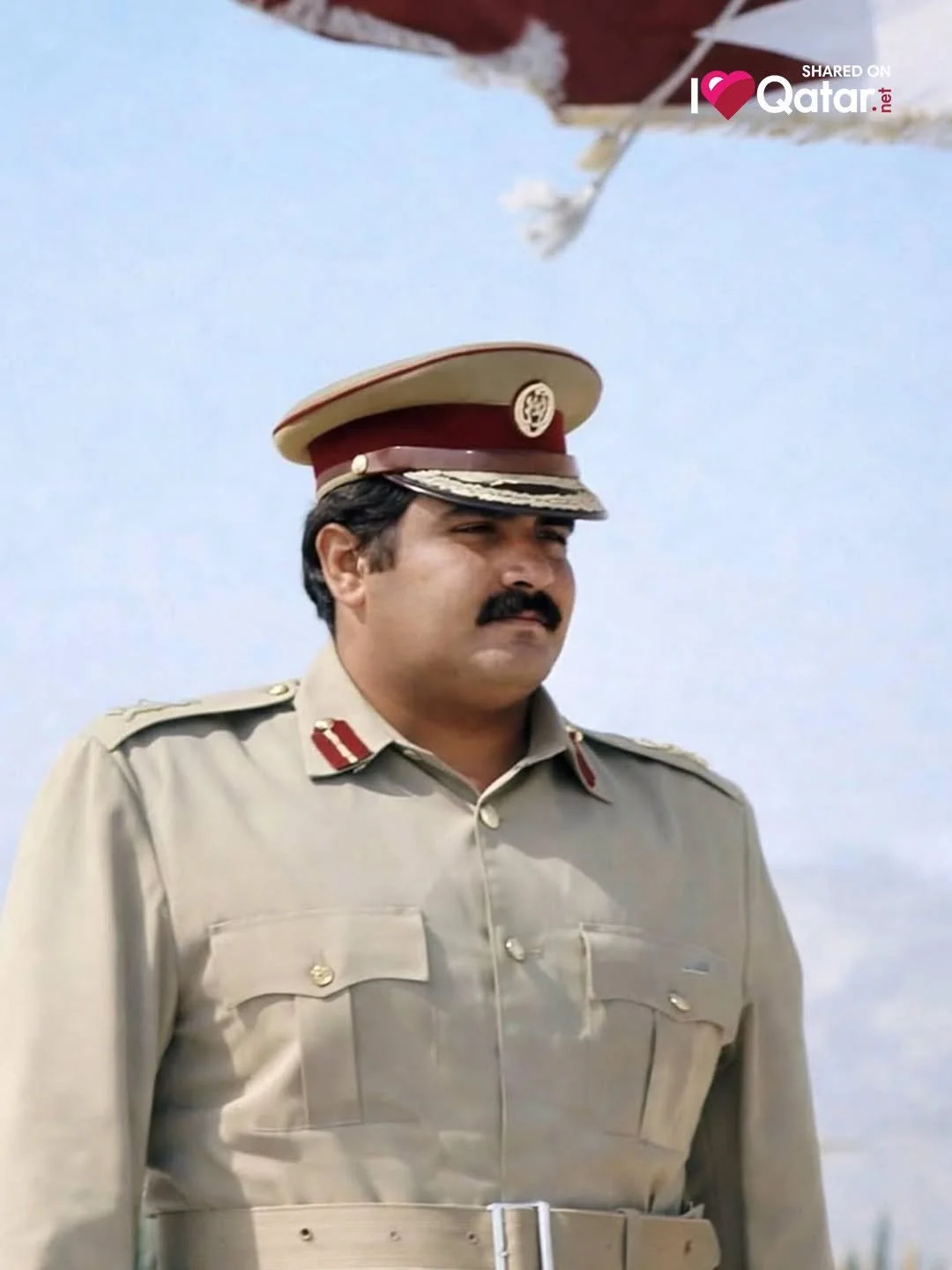
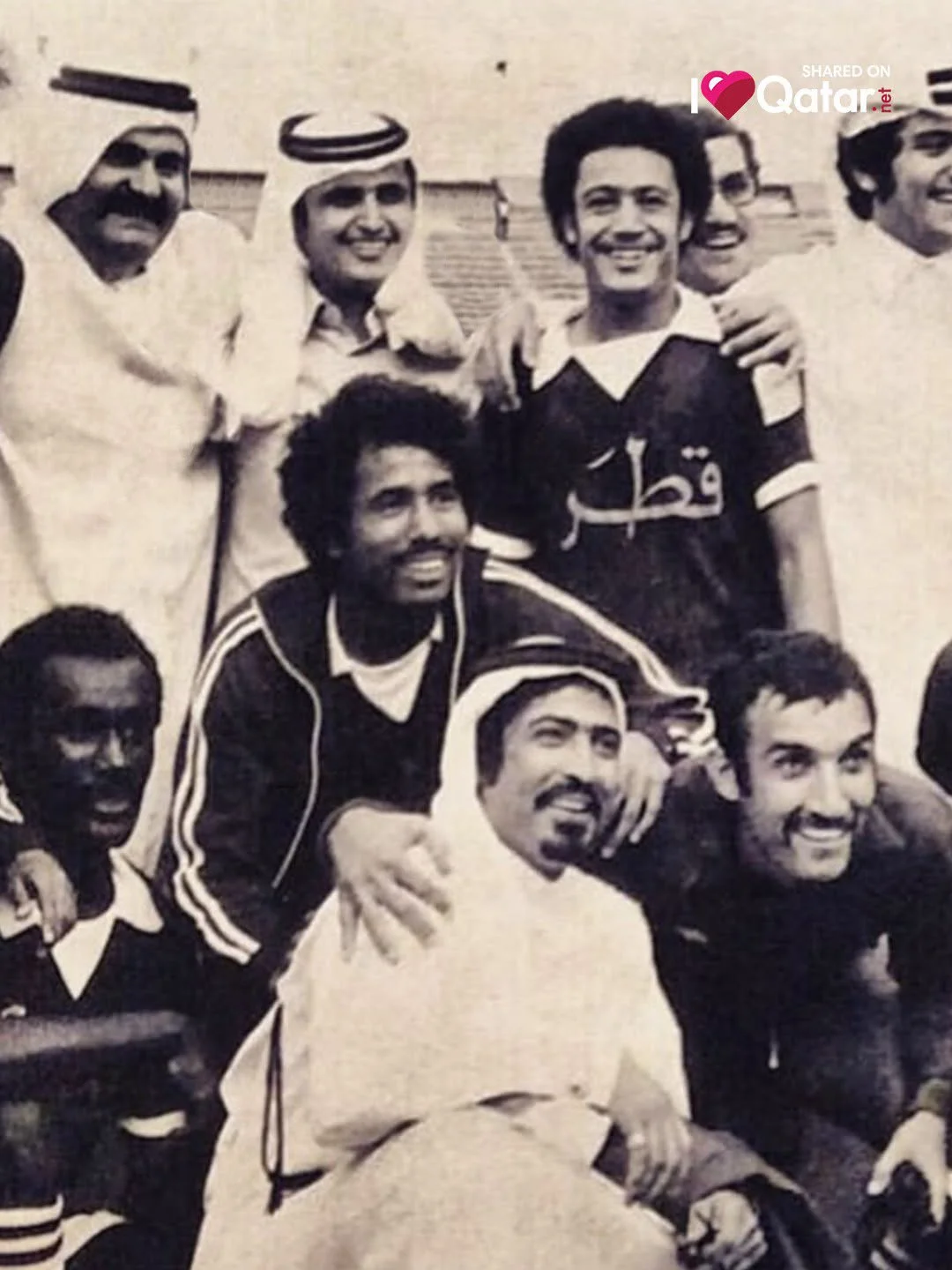
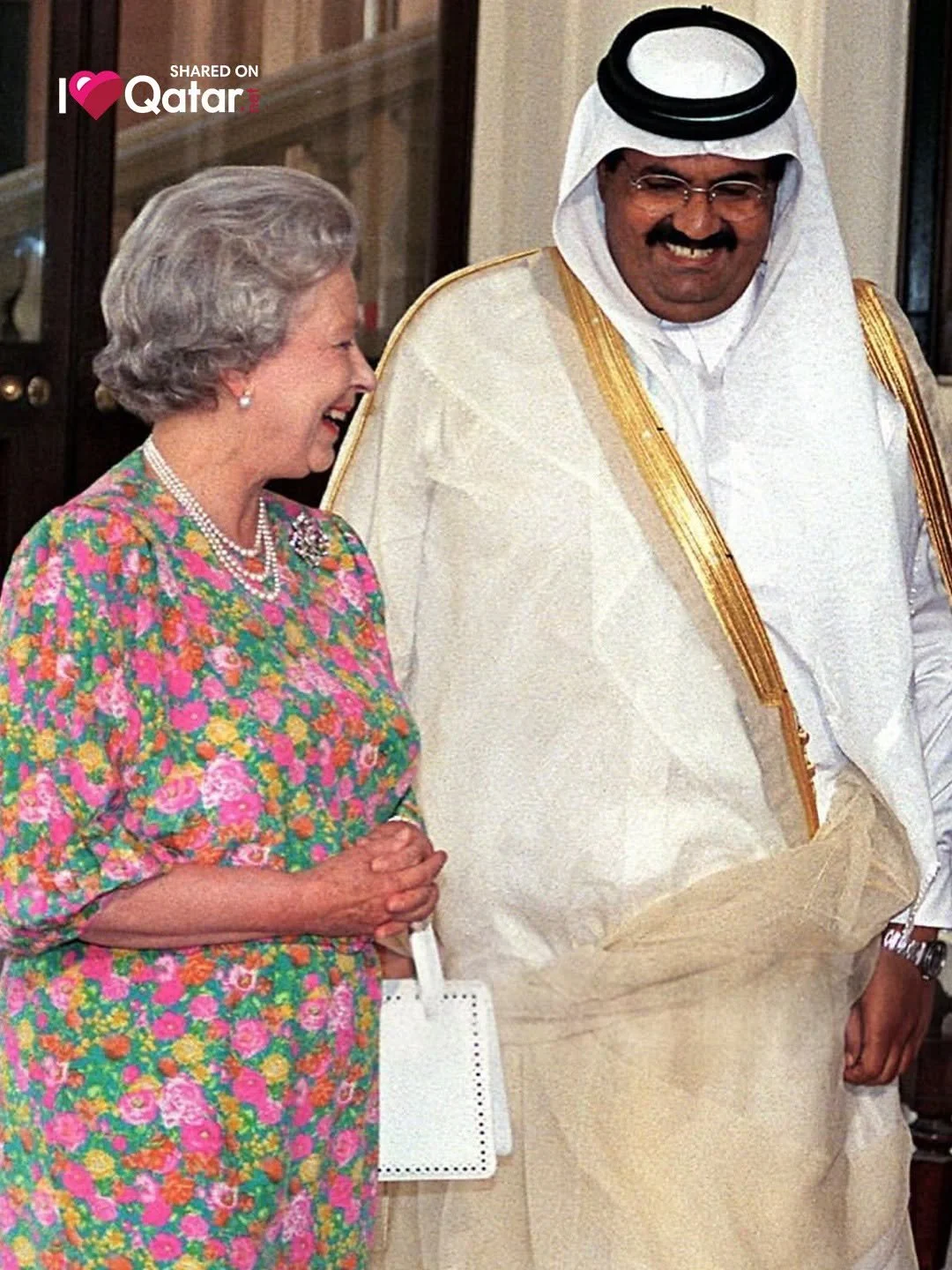
Original low-resolution source plate (Left) compared with the final reconstructed output (Right), demonstrating restored dynamic range and structural clarity.
A common misconception about modern photo restoration is that it can be achieved with a single prompt using multi-modal frontier models like Gemini, ChatGPT, or Grok. In reality, high-end reconstruction is far from an automated quick fix. Every image presents a unique challenge, not only in terms of physical wear, severe compression, and missing detail, but also in understanding the historical context behind the moment. Restoring an archival photograph requires analyzing the date, time, ambient lighting, and authentic colors of elements like uniforms, regalia, and surroundings. Using simple off-the-shelf automated enhancers often distorts critical features like facial structures and fabric weaves, halluciating incorrect textures and damaging the historical integrity of the scene.
Because many of these source files suffered from near-total data loss, standard restoration techniques would have taken extensive manual labor without guaranteeing an accurate result. Instead, I developed a custom local AI inference and manual compositing pipeline, treating each image not as a automated filter pass, but as a precise visual reconstruction project.
The 4-Step Technical Workflow:
1. Historical and Contextual Research:
Before processing a single pixel, research is required to cross-reference historical records. From identifying military uniform colors and badges to studying environmental lighting, shadows, and location details, accuracy is the foundation of the process.
100% detail crops highlighting micro-textures, fabric weave, and facial fidelity achieved through local AI inference.
2. Local AI Inference and Upscaling:
Using open-source AI models running locally on custom hardware, low-resolution regions are processed to infer missing structural details, fabric weaves, and optical sharpness, all while avoiding cloud-based automated distortion. Despite technical limitations, AI inference can reach excellent levels of authenticity when directed properly and given quality reference source material.
3. Piece-by-Piece Reconstruction:
Many photos require element-by-element construction. Backgrounds, architectural details, dynamic range highlights, and degraded edges are rebuilt individually to ensure authentic light falloff and depth.
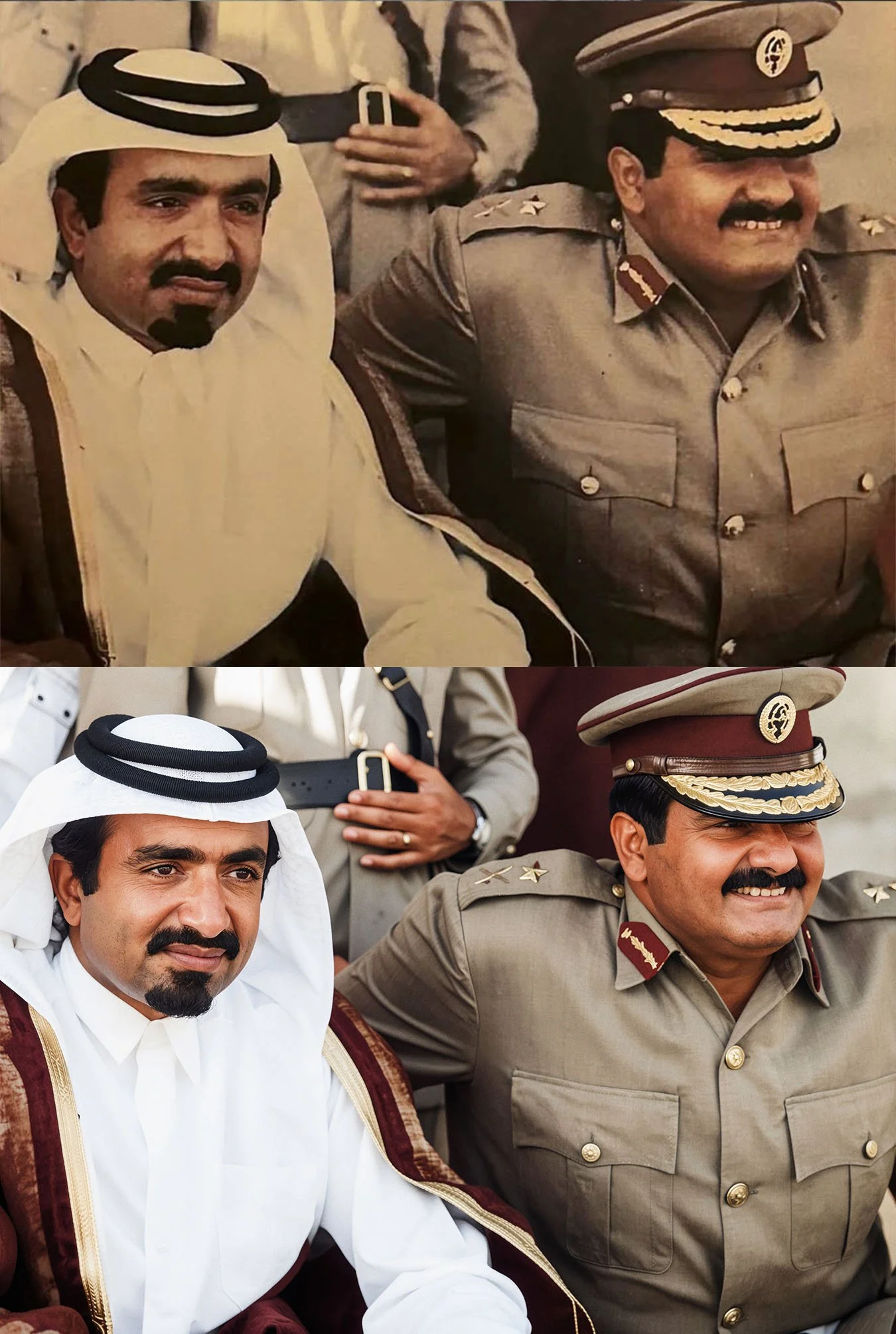
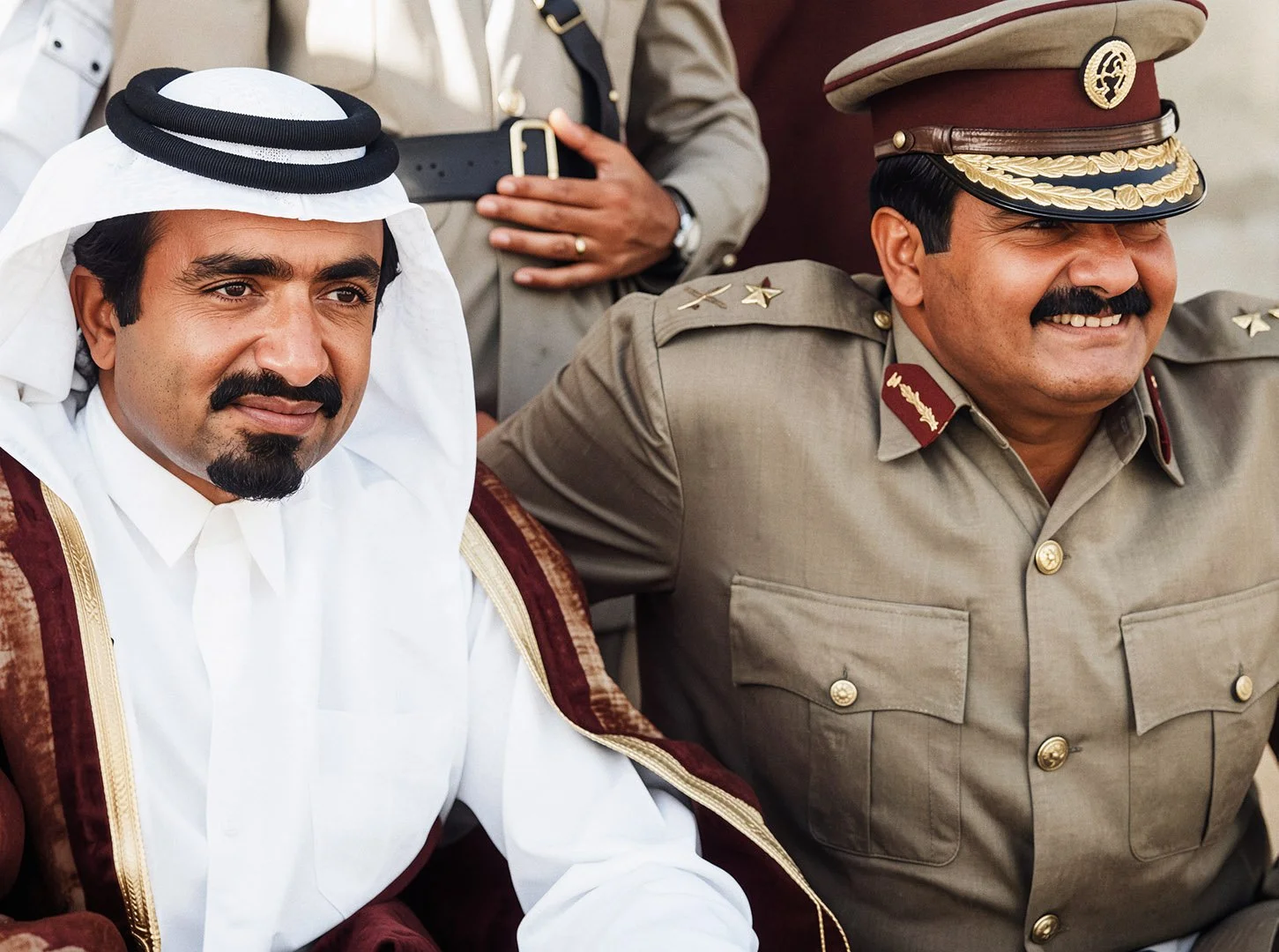
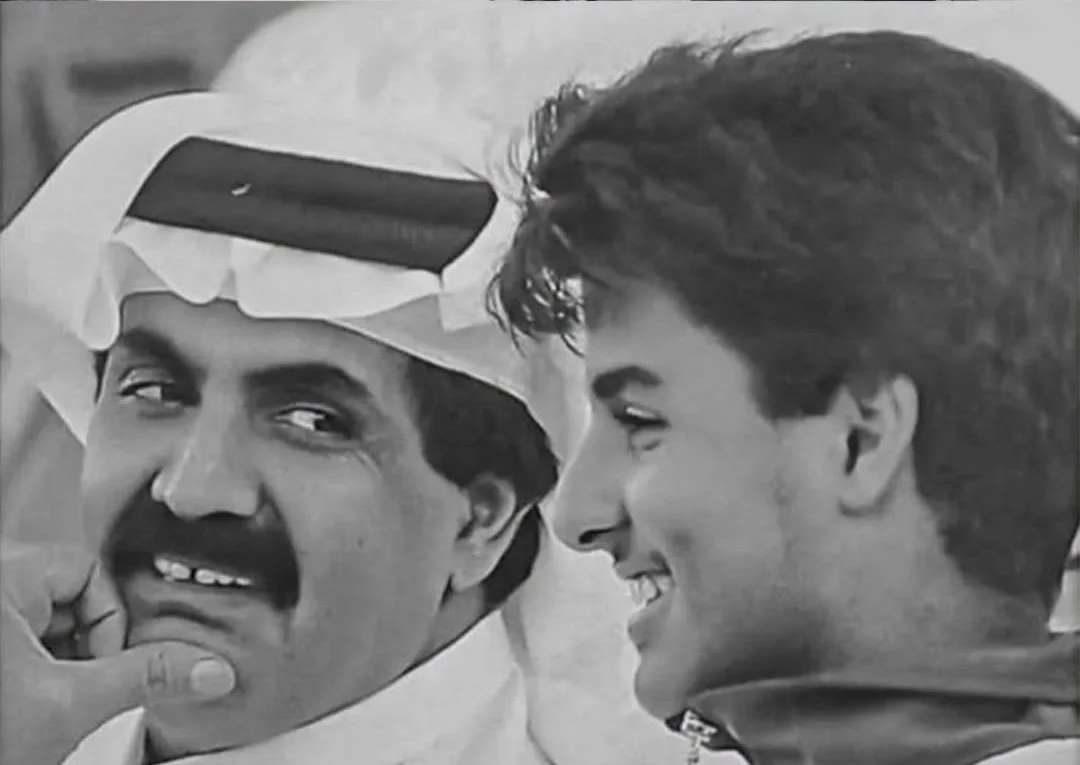
Before and after comparison of the original and the digitally reconstructed historical photo of the Father Amir His Highness Sheikh Hamad bin Khalifa Al Thani (right) seated alongside his father, former Amir Sheikh Khalifa bin Hamad Al Thani (left).
100% detail crops.
4. Precision Photoshop Compositing and Color Harmony:
The final stage involves manual compositing in Photoshop. This includes stitching inferred layers back onto the original source plates, fine-tuning skin tones, correcting color shifts, and applying film simulation and color grading for photorealistic output based on the researched era.
Preserving the Details That Matter
Each frame in this tribute series presented unique technical challenges:
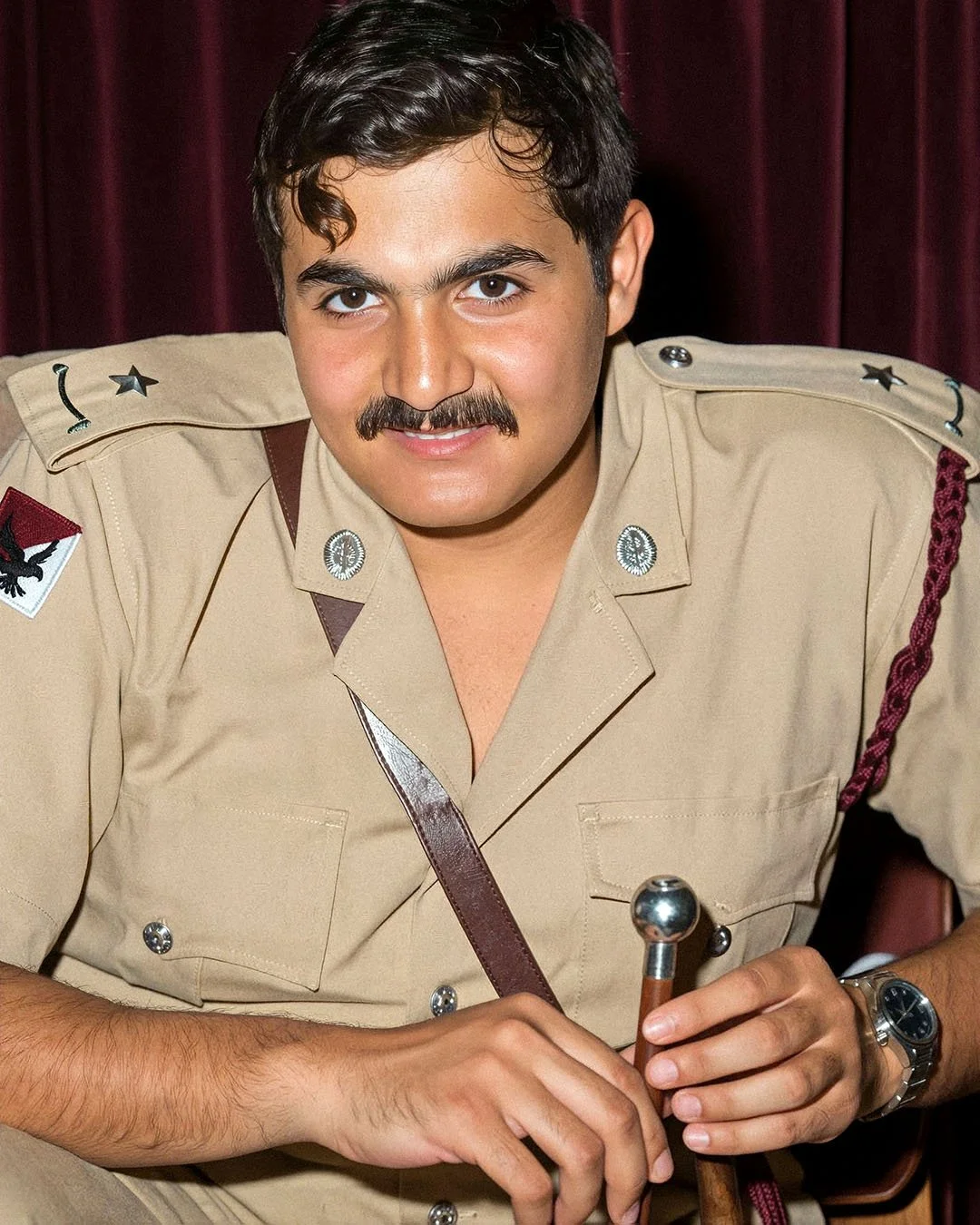
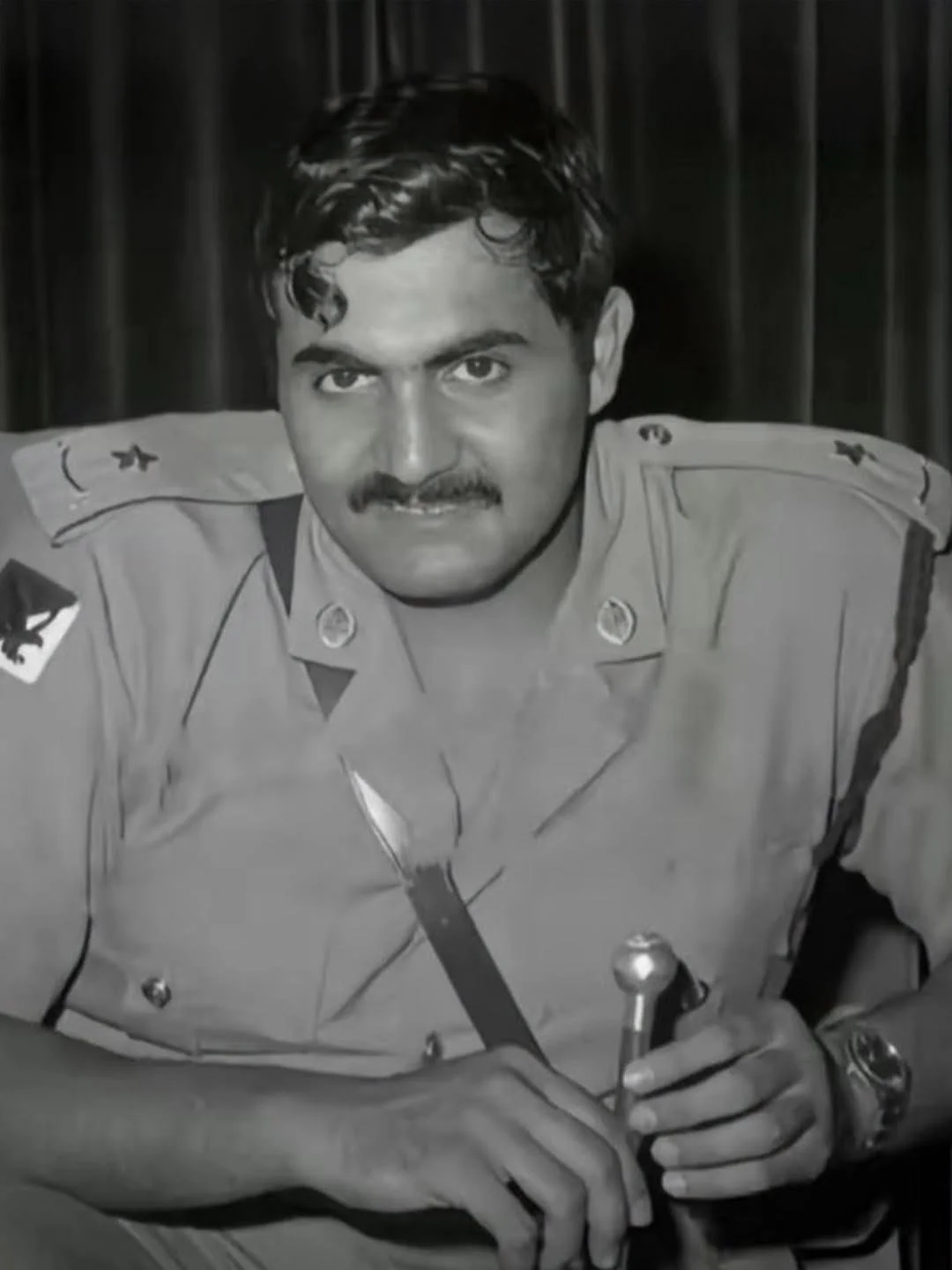
Military and Official Attire: Restoring early military service portraits required maintaining the exact tactile feel of uniform fabrics, insignia sharpness, and headwear detail without creating artificial smoothing.
His Highness Sheikh Hamad bin Khalifa Al Thani pictured outdoors in full Qatari military uniform, reconstructed for optimal detail and contrast.
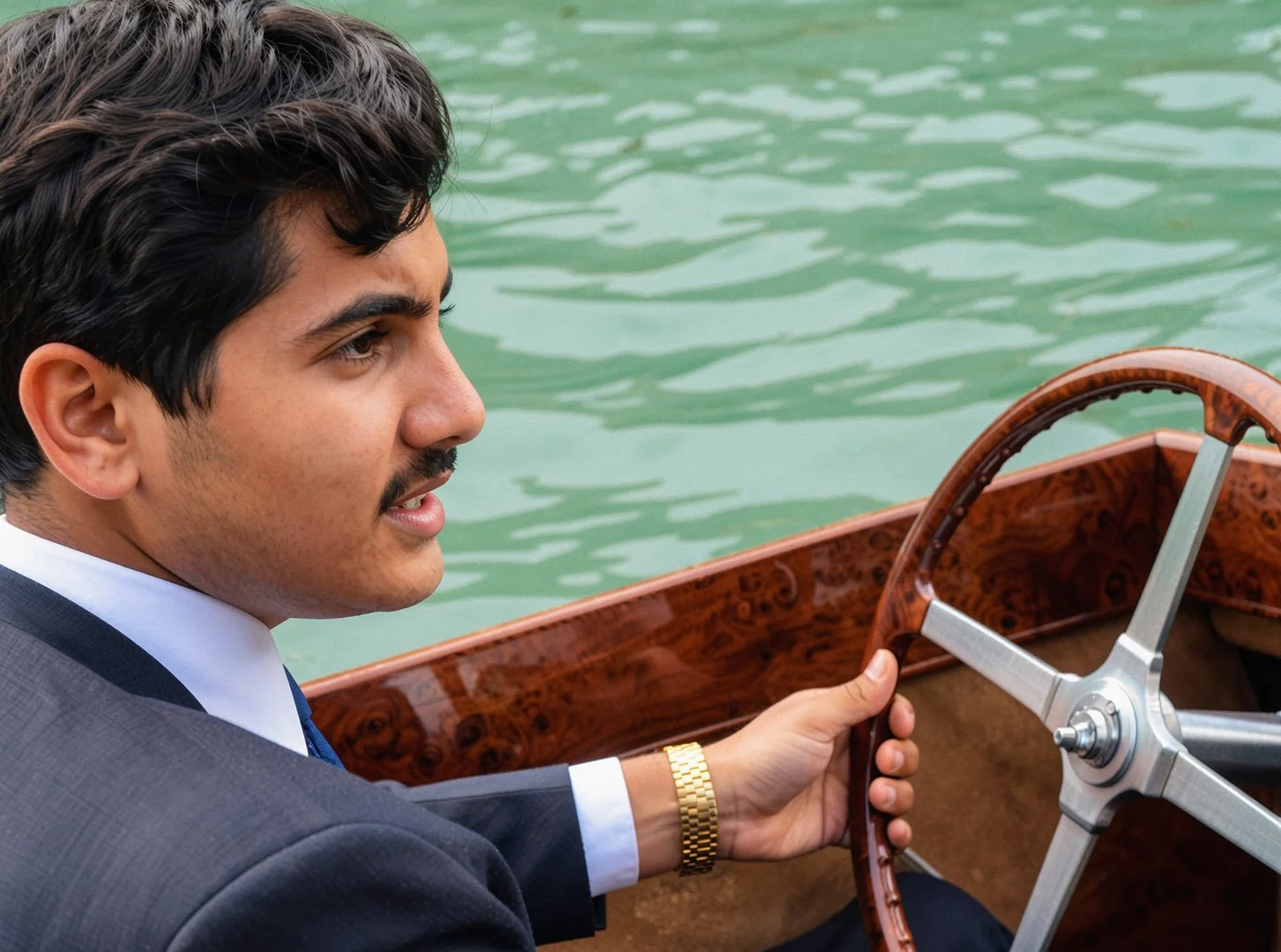
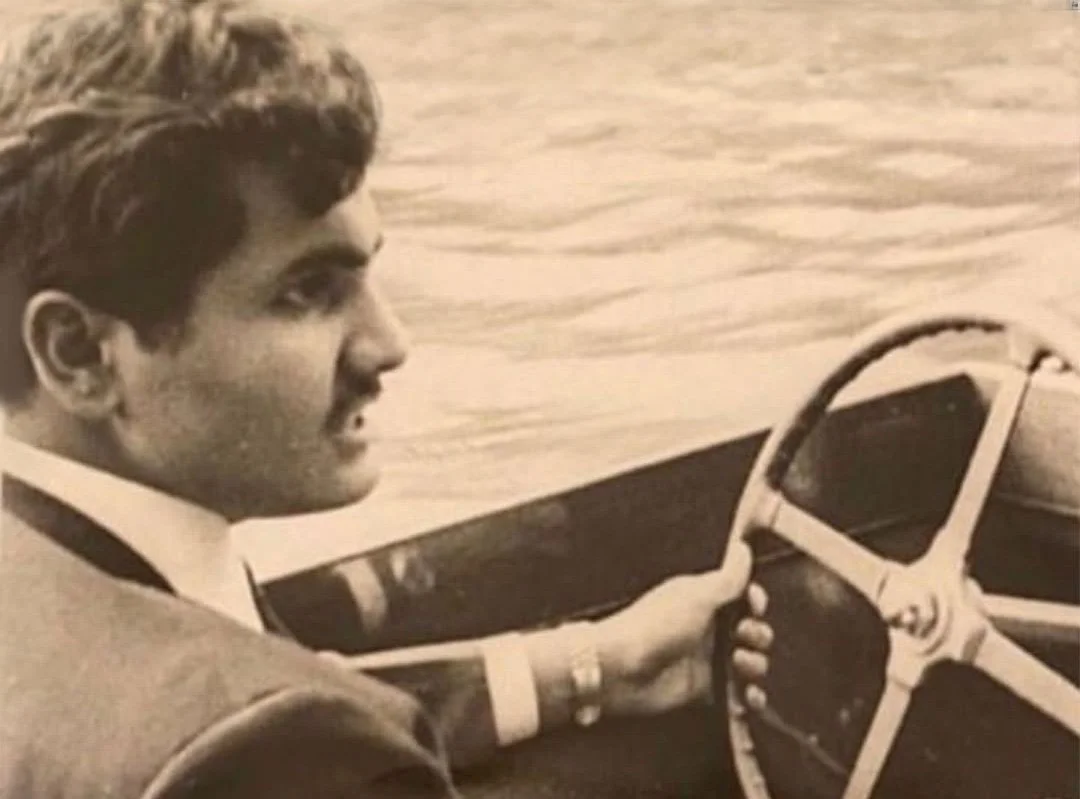
Candid Action and Maritime Lighting: Photos such as His Highness navigating a wooden speedboat required balancing severe water reflection highlights, dynamic range, and motion blur while keeping skin tones natural.
His Highness Sheikh Hamad bin Khalifa Al Thani navigating a wooden speedboat in Qatar, digitally reconstructed from low-resolution source plates.
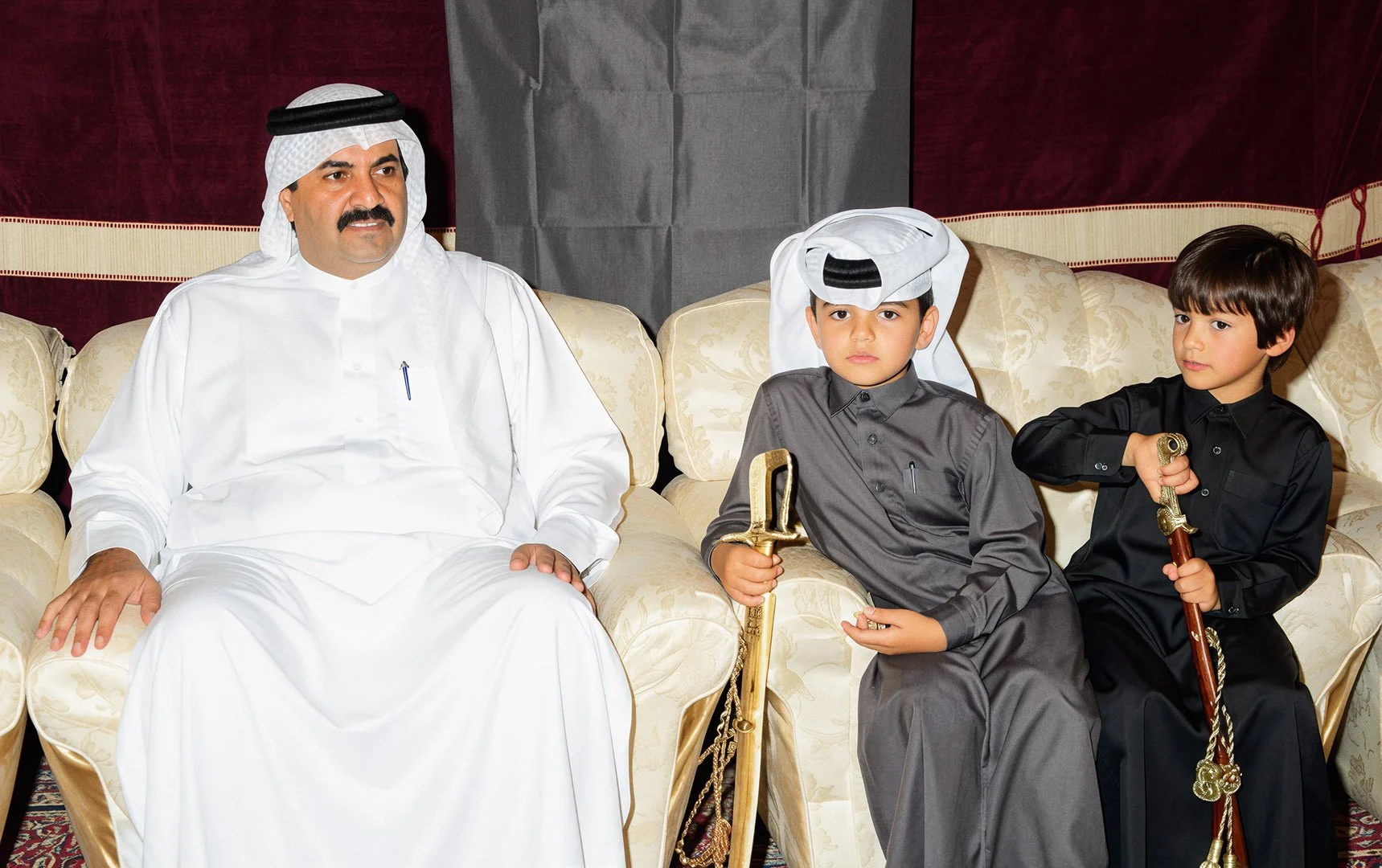
Historic State Meetings and Family Moments: Preserving the subtle emotional expressions in group photos, such as His Highness seated with a young Sheikh Tamim bin Hamad Al Thani or hosting foreign dignitaries, demanded extreme fidelity so that no facial feature felt synthetic or over-processed.
A candid historical moment featuring His Highness the Father Amir alongside his young son, current Amir His Highness Sheikh Tamim bin Hamad Al Thani.
Detail crops of the reconstructed historic photograph of Father Amir Sheikh Hamad bin Khalifa Al Thani during an official state meeting with Queen Elizabeth II.
Bridging Technical Precision Across Disciplines
Whether reconstructing lost details in decades-old archival photographs or capturing the precise geometry, light dynamics, and material textures of modern architectural developments in Doha, the underlying philosophy remains identical: uncompromising precision, technical rigor, and digital visual stewardship.
Mastering light, dynamic range, and high-level post-processing is what transforms a simple frame into an enduring visual asset.
Extreme Stress Test: Reconstructing 100-Year-Old Archival Heritage
While the Father Amir series focused on restoring mid-to-late 20th-century imagery, testing the limits of this AI and manual compositing pipeline required an extreme use case: a 100-year-old photograph of Sheikh Abdulla bin Jassim Al Thani, during whose reign oil was first discovered in Qatar.
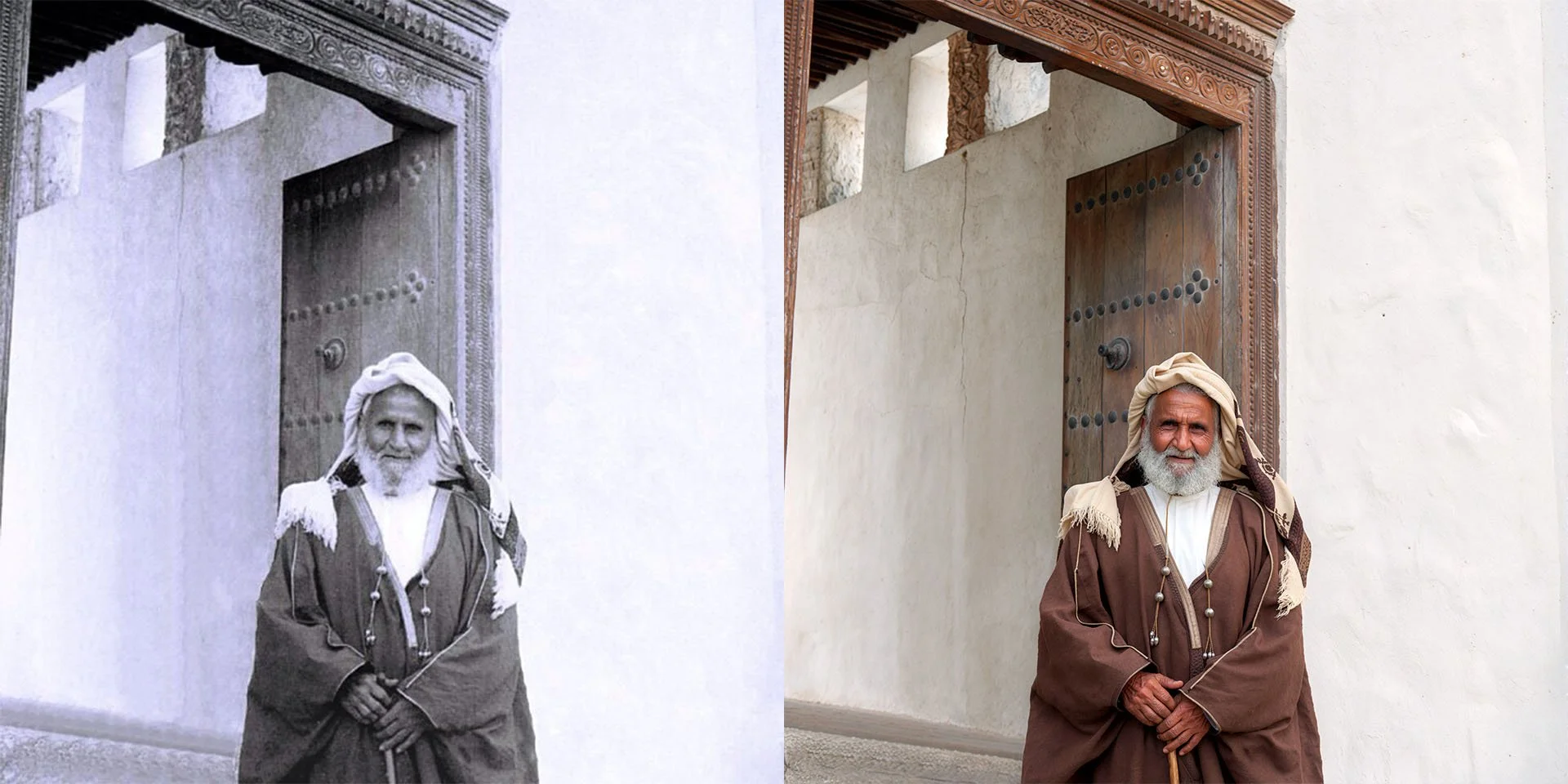
Reconstructing Qatar's Archival Past: A 100-year-old portrait of Sheikh Abdulla bin Jassim Al Thani reconstructed from severe surface degradation, paper grain damage, and fading using custom local AI inference and detail-by-detail Photoshop compositing.
Reconstructing centuries-old paper grain and missing dynamic range requires rebuilding structural shadows and highlight falloff manually using digital blending of multiple reconstructed images for smooth detail retrieval.
It proves that even when source material suffers near-total data loss, advanced digital stewardship can revive architectural, historical, or commercial visual assets without losing authentic physical characteristics when directed properly.
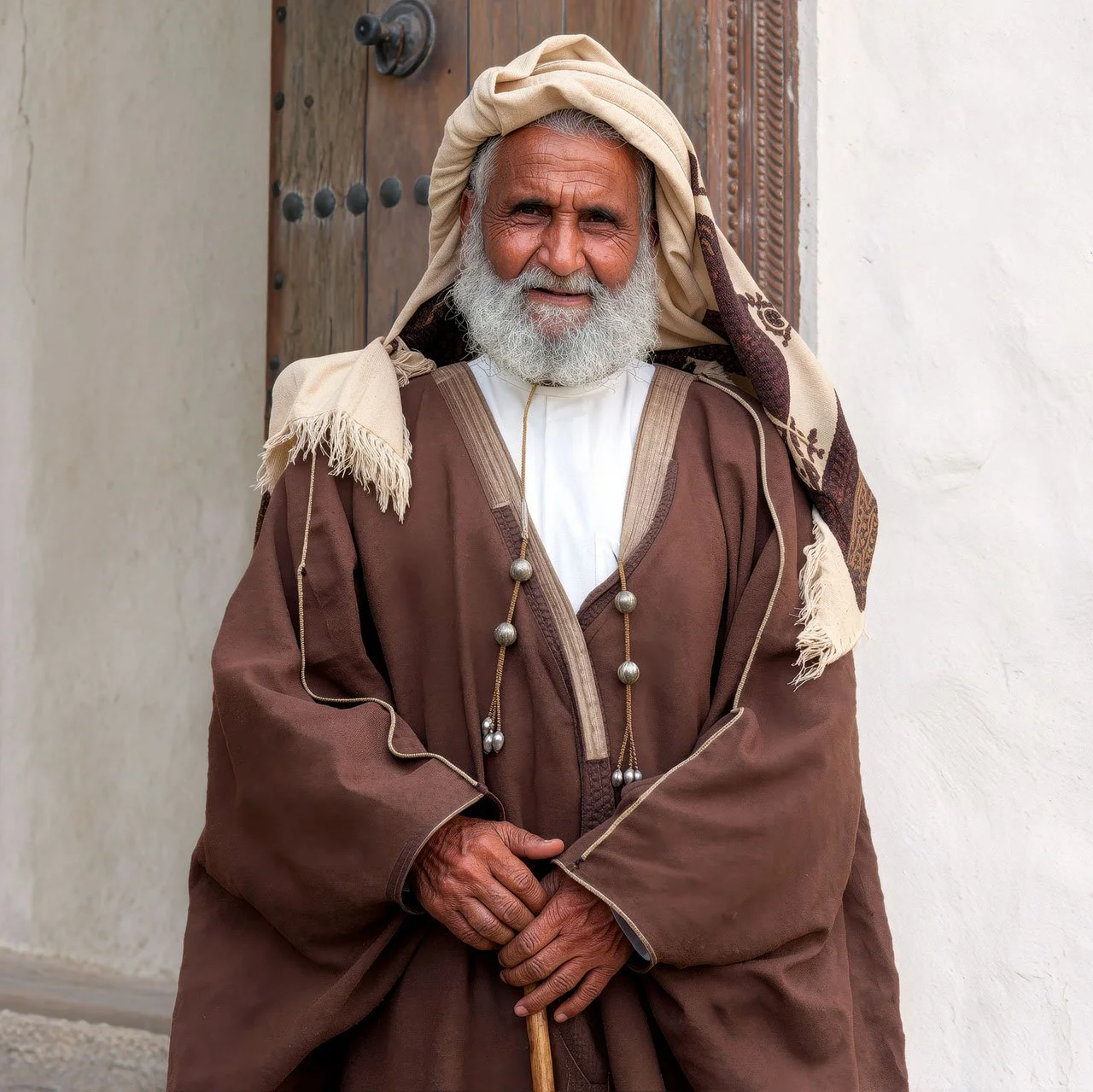
Full reconstructed portrait of Sheikh Abdulla bin Jassim Al Thani, rebuilt from a 100-year-old degraded archival source plate to restore full dynamic range, natural contrast, and sharp detail.
100% macro detail crops (Face, Beard, Fabric, and Hands) demonstrating structural feature retention, natural hair separation, fabric weave reconstruction, and anatomical preservation without synthetic smoothing.
The Ultimate Reconstruction Challenge: The Founder of Qatar
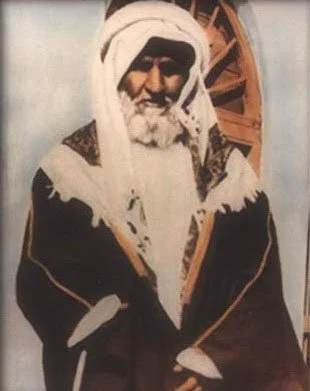
Original Source: A heavily compressed 310 × 465 pixel file, historically the only widely available portrait of the Founder of Qatar online
To test the absolute boundaries of this reconstruction pipeline, I turned to one of the most significant visual artifacts in the nation’s history: the only available photograph, an 1882 portrait of Sheikh Jassim bin Mohammed Bin Thani, the Founder of the State of Qatar.
The starting source material was a heavily compressed digital file measuring just 310 × 465 pixels. Rebuilding a historical icon from such a tiny, low-resolution footprint required over three hours of meticulous work, balancing AI structural inference with manual pixel-level compositing.
The goal was not to alter or invent, but to carefully retrieve facial features, preserve authentic historical proportions, and bring crisp definition to the thobe and bisht textures while strictly honoring the original archive.
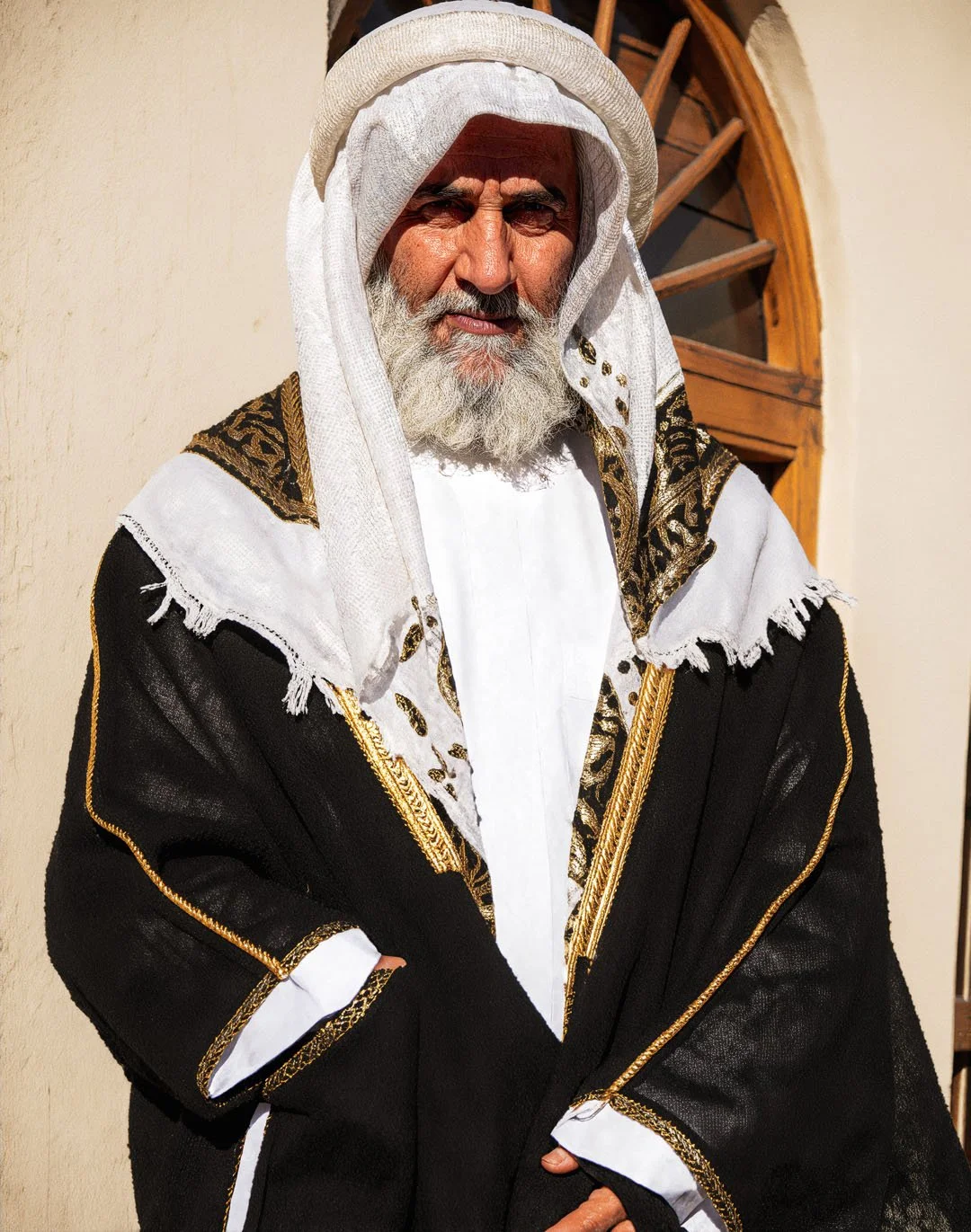
Final reconstruction of Sheikh Jassim bin Mohammed Bin Thani, Founder of Qatar, rebuilt and enhanced from a severely low-resolution (310x465px) historical source plate. The resulting image is a 40 megapixels masterpiece.
100% detail crops displaying restored facial fidelity alongside authentic thobe fabric weave and gold-thread bisht embroidery detail reconstructed from heavily compressed data.
High-End Architectural & Real Estate Photography in Qatar
From commercial developments and high-rise architecture to luxury interiors, discover how precision post-processing and lighting showcase physical spaces at their absolute best.
View the Real Estate Portfolio | View the Architectural Portfolio
